
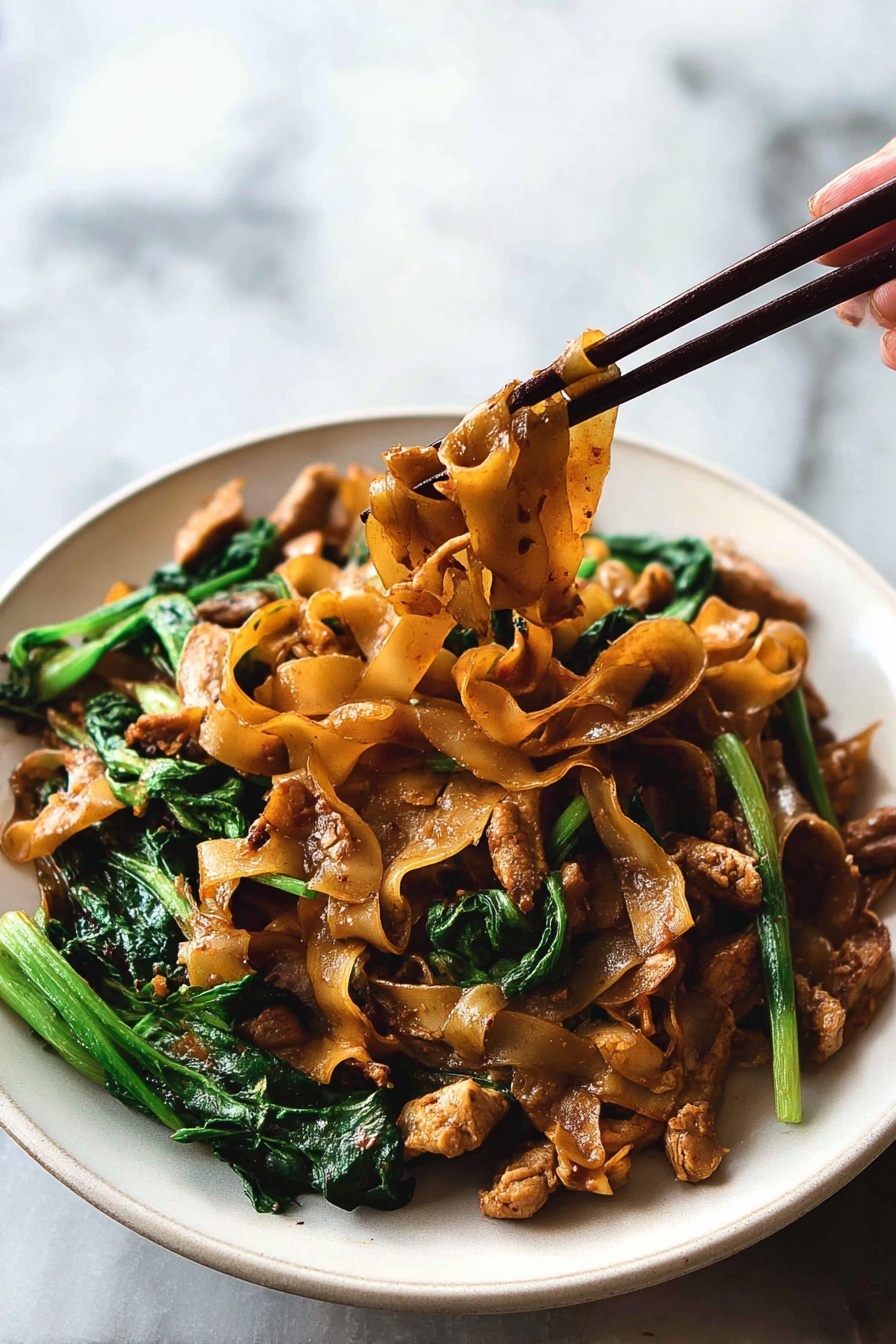
If you’re craving a delicious, authentic Thai dish that’s packed with bold flavors and satisfying textures, then you’re in the right place. This Pad See Ew Thai Stir-Fried Noodles Recipe is hands down one of my favorite go-to meals that’s super quick to whip up on any busy weeknight. It’s got that perfect balance of caramelized noodles, tender chicken, and crisp-tender Chinese broccoli that makes every bite absolutely crave-worthy—trust me, once you try this, your family will be asking for it again and again!
Why You’ll Love This Recipe
- Authentic Flavors: The use of dark soy sauce and oyster sauce creates the classic, savory-sweet taste you’d expect from street-side Thai stalls.
- Quick & Easy: With just a handful of ingredients and under 20 minutes from start to finish, it’s perfect for busy evenings.
- Versatile: You can easily swap proteins or veggies to suit your taste or what’s in your fridge.
- Crowd-Pleaser: My family goes crazy for this dish, especially when I get the noodles perfectly caramelized and that garlicky aroma fills the kitchen.

Ingredients You’ll Need
To nail this Pad See Ew Thai Stir-Fried Noodles Recipe, it’s all about choosing the right noodles and a simple sauce mix that brings everything to life. Here’s a quick rundown of the essentials and why they matter in getting that perfect balance of texture and flavor.
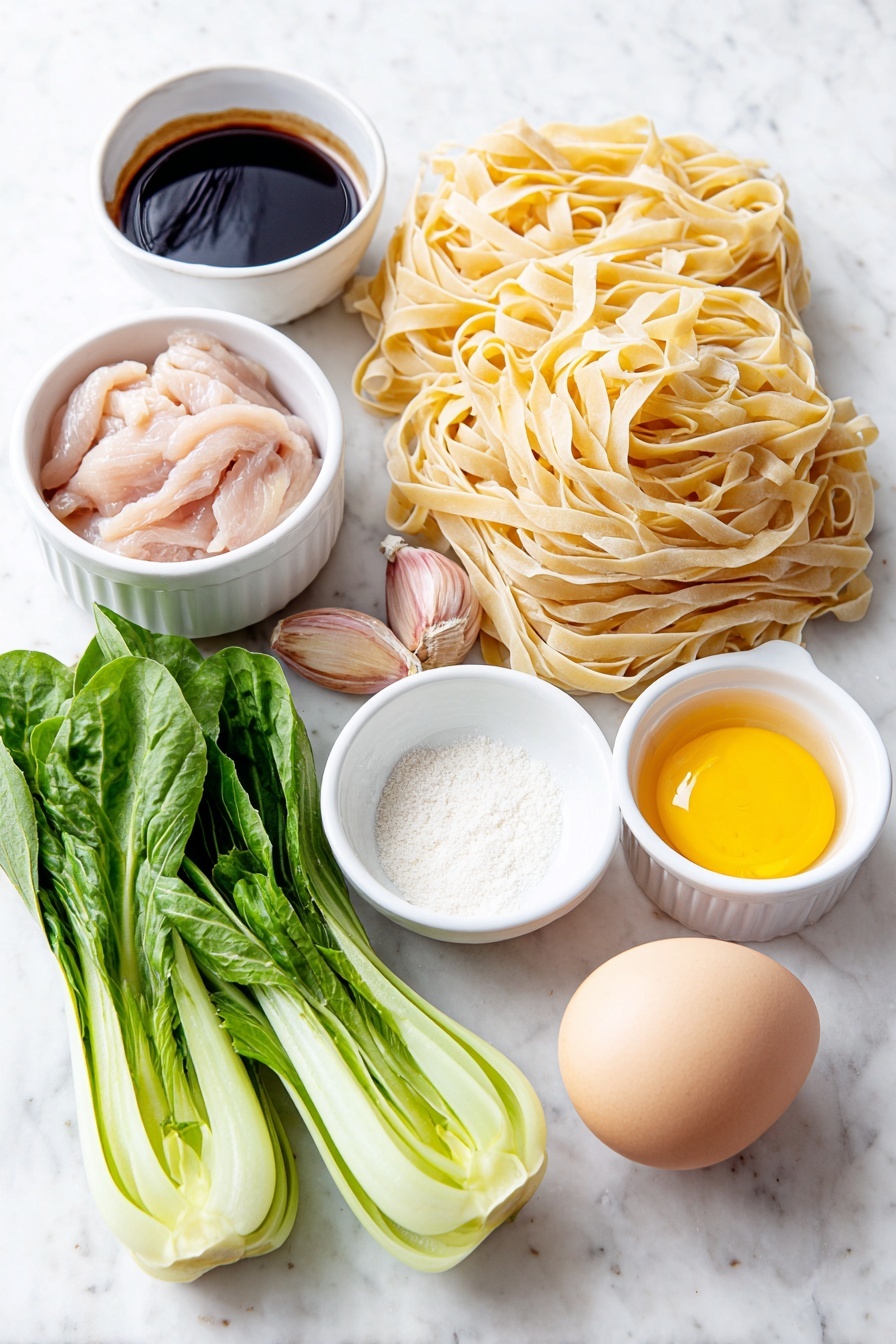
- Wide rice stick noodles: Fresh or dried wide flat rice noodles called Sen Yai make the dish authentic, but if you can’t find fresh, wide dried pad thai noodles work just fine.
- Dark soy sauce: This gives the noodles their deep brown color and that signature rich flavor; don’t substitute it with regular soy sauce or you’ll miss out.
- Oyster sauce: Adds a subtle sweetness and depth, brightening up the whole stir-fry.
- Light soy sauce: Balances the salted flavors without overpowering—that’s key here.
- White vinegar: A little acid that cuts through the richness and keeps things fresh.
- Sugar: To round out the sauce and create that irresistible caramelized glaze.
- Chicken thighs: Tender and juicy, boneless skinless are best for quick, even cooking—though you can totally swap with tofu or shrimp.
- Garlic: Finely chopped to infuse the oil with flavor.
- Chinese broccoli (Gai Lan): The crunch from the stems and tender leaves add color and a mild bitterness that’s essential in traditional Pad See Ew.
- Peanut or vegetable oil: For cooking at high heat without burning the ingredients.
Variations
One of the best things about this Pad See Ew Thai Stir-Fried Noodles Recipe is how adaptable it is to your preferences or what you have on hand. I love switching up the proteins or even making a vegetarian version for friends—feel free to play around and make it your own!
- Protein Swap: Chicken is classic, but I’ve had fantastic versions with shrimp or thinly sliced pork. Vegetarians can use firm tofu, just press it well first.
- Veggie Variations: If you can’t find Chinese broccoli, pak choi or broccolini are handy substitutes that keep that leafy crunch.
- Heat it Up: For a spicy kick, toss in fresh bird’s eye chilies or a dash of chili flakes when you stir-fry the garlic.
- Gluten-Free Option: Use tamari instead of soy sauce and double-check oyster sauce for gluten content.
How to Make Pad See Ew Thai Stir-Fried Noodles Recipe
Step 1: Prep Your Ingredients Carefully
First things first, prep is key. Trim your Chinese broccoli and separate the leaves from the stems — the stems take a bit longer to cook, so slicing them thinner helps them soften just right. If using fresh noodles, follow the package instructions but be careful not to overcook—putting soggy rice noodles in the wok is a recipe for disaster, trust me! Prepare your sauce by mixing dark soy, oyster sauce, light soy, vinegar, and sugar until the sugar dissolves; set it aside.
Step 2: Start Stir-Frying the Garlic and Chicken
Heat 1 tablespoon of oil in a large wok or heavy skillet over high heat—make sure it’s good and hot before adding anything. Toss in your finely chopped garlic and cook for just about 15 seconds until fragrant but not burnt. Add the chicken slices and stir constantly until the meat starts turning white but isn’t fully cooked yet. This keeps the chicken juicy and tender by the end.
Step 3: Add the Chinese Broccoli Stems and Leaves
Next, throw in those Chinese broccoli stems to cook until they start to soften—about 1-2 minutes—then add the leaves and cook until just wilted. This layering of cooking times ensures everything has the perfect crunch and tenderness at the end.
Step 4: Scramble the Egg and Remove Contents
Push all the ingredients to one side of the wok and crack in the egg. Scramble it quickly until just cooked, then mix everything together briefly. Once done, remove the whole mixture onto a plate and give your wok a quick scrape to clean up the bottom—this helps with that signature caramelization in the next step.
Step 5: Caramelize the Noodles with Sauce
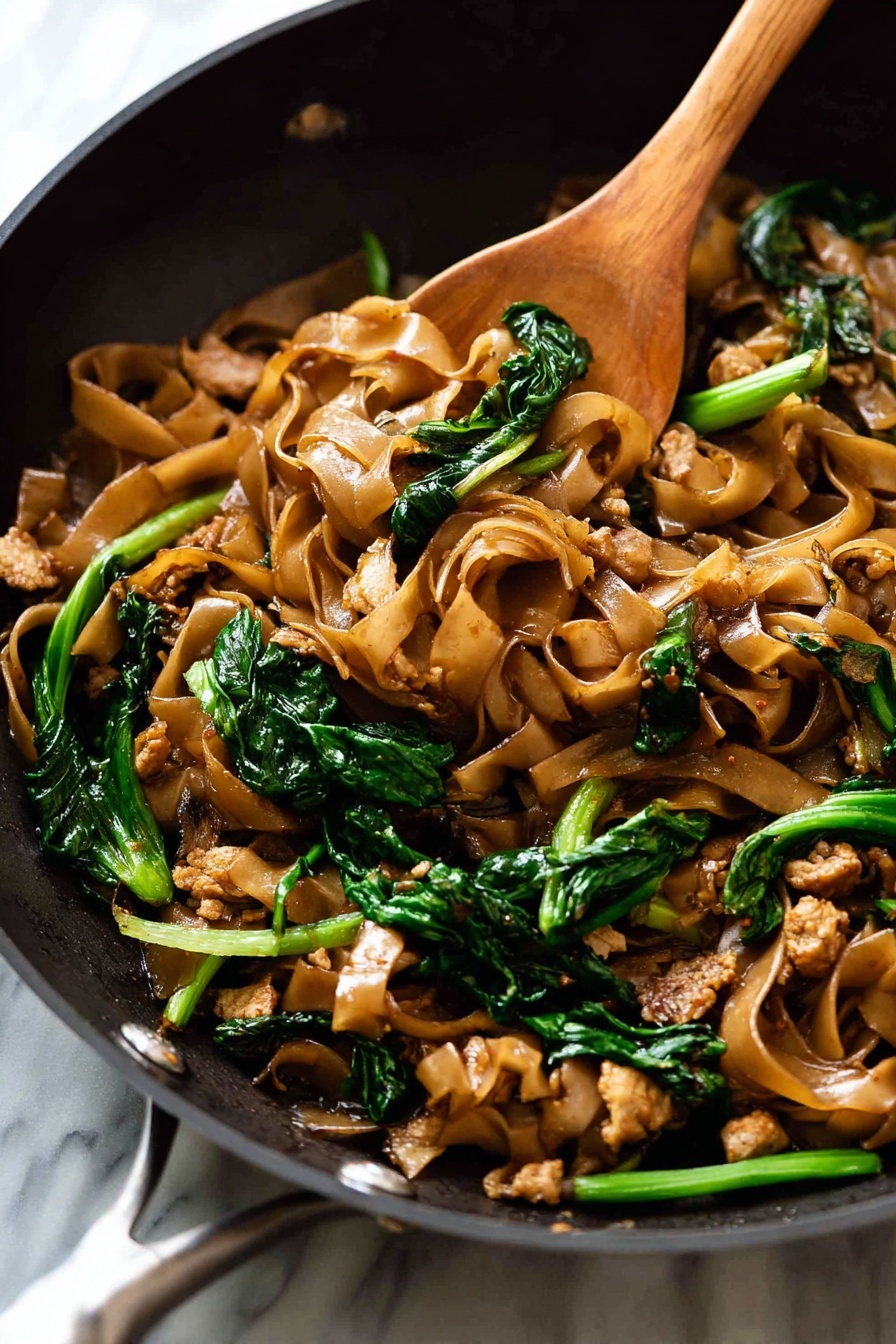
Return the wok to high heat and add the remaining 2 tablespoons of oil—wait until it just begins to smoke. Add your noodles and pour in the sauce. Here’s a trick: toss the noodles as little as possible, maybe once or twice, so they get a beautiful golden-brown char on the edges but don’t break apart. This caramelization is what makes this recipe shine and carries that amazing umami flavor.
Step 6: Toss Everything Together and Serve
Quickly add back the chicken and vegetable mix to the wok, toss everything just long enough to combine evenly, and serve immediately. Timeliness is key here to keep those textures perfect and flavors fresh.
Pro Tips for Making Pad See Ew Thai Stir-Fried Noodles Recipe
- Use High Heat: I learned that keeping your wok screaming hot is essential to get that beautiful caramelization and to cook everything quickly without steaming.
- Don’t Over-Toss the Noodles: Less is more when combining the noodles and sauce—over stirring causes noodles to break down and lose texture.
- Prep Everything Beforehand: Once you start stir-frying, things move fast; having sauce mixed and veggies chopped makes a huge difference.
- Choose the Right Noodles: Using fresh or dried wide rice noodles keeps the authentic texture; thin noodles like vermicelli won’t hold up to the sauce and high heat.
How to Serve Pad See Ew Thai Stir-Fried Noodles Recipe
Garnishes
I always top my Pad See Ew with a wedge of lime on the side—it adds a bright zing that perfectly balances the savory noodles. A sprinkle of fresh chopped cilantro or some crushed roasted peanuts can add a lovely fresh or crunchy contrast if you like. Optional chili flakes on the side let everyone dial up the heat to their liking!
Side Dishes
For a complete meal, I love pairing this stir-fry with a simple papaya salad (Som Tum) or Thai cucumber salad for refreshing crunch. Lightly steamed or stir-fried leafy greens with garlic also complement the richness of the Pad See Ew beautifully.
Creative Ways to Present
For dinner parties or special occasions, I serve Pad See Ew in banana leaf-lined bowls or on a platter with colorful garnishes like edible flowers and fresh herbs. It’s fun to let guests build their own bowls with sides of fresh lime wedges, chopped peanuts, and chili paste.
Make Ahead and Storage
Storing Leftovers
When I’ve got leftovers, I let the Pad See Ew cool completely, then store it in an airtight container in the fridge— it keeps well for about 2-3 days. Just keep in mind the noodles will absorb some sauce over time, so they won’t be as crisp as freshly cooked.
Freezing
I don’t usually freeze this dish because the texture of rice noodles changes after thawing, but if you want to, freeze it tightly wrapped in portions for up to a month. Thaw overnight in the fridge before reheating.
Reheating
To reheat, I like using a hot pan or wok with a drizzle of oil to quickly toss and warm the noodles on high heat—this helps to revive some of the original texture and flavor. Microwaving works in a pinch but can make the noodles a bit soggy.
FAQs
-
Can I use other types of noodles for Pad See Ew?
Traditionally, Pad See Ew uses wide, flat rice noodles called Sen Yai, but you can substitute with dried wide rice stick noodles found in most supermarkets. Avoid thin noodles like vermicelli since they don’t hold up well to the thick sauce and high heat stir-frying.
-
What if I can’t find Chinese broccoli?
If Chinese broccoli isn’t available, pak choi, bok choy, or broccolini make great alternatives. Just slice them similarly and adjust cooking times so the stems soften nicely without overcooking the leaves.
-
How do I get the noodles to caramelize without sticking?
Make sure your wok is very hot and you use enough oil—around 2 tablespoons in the second stage. Also, don’t over-toss the noodles; letting them sit for a little bit against the hot wok surface allows them to develop that desirable caramelized crust.
-
Is Pad See Ew healthy?
This dish can be quite balanced if you load it with plenty of Chinese broccoli and control the oil and sugar amount. Using lean protein like chicken thighs adds richness without too much fat. It’s a hearty dish but can be part of a healthy meal when paired with fresh sides.
Final Thoughts
I absolutely love how this Pad See Ew Thai Stir-Fried Noodles Recipe captures the soul of Thai street food in the comfort of my own kitchen. The mix of tender chicken, crispy greens, and those gloriously caramelized noodles is nothing short of magic. I hope you give this recipe a try soon—it’s one of those dishes that fills the house with amazing aromas and leaves everyone asking for seconds. Cooking this is like bringing a slice of Thailand right to your dinner table, and once you get the hang of it, you’ll want to make it again and again!
Print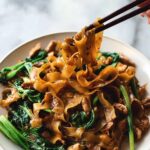
Pad See Ew Thai Stir-Fried Noodles Recipe
- Prep Time: 8 minutes
- Cook Time: 10 minutes
- Total Time: 18 minutes
- Yield: 2 servings
- Category: Main Course
- Method: Stovetop
- Cuisine: Thai
Description
Pad See Ew is a classic Thai stir-fried noodle dish featuring wide rice noodles, tender chicken, and crisp Chinese broccoli all tossed in a flavorful sauce made from dark soy, oyster sauce, light soy sauce, vinegar, and sugar. This quick and easy stir-fry delivers a perfect balance of savory, sweet, and slightly tangy flavors with a delightful smoky caramelization on the noodles.
Ingredients
Noodles
- 200g / 7 oz dried wide rice stick noodles, or 450g / 15 oz fresh wide flat rice noodles (Sen Yai)
Sauce
- 2 tsp dark soy sauce
- 1 1/2 tbsp oyster sauce
- 1 tbsp light soy sauce
- 2 tsp white vinegar (plain white vinegar)
- 2 tsp sugar (any type)
Stir Fry
- 3 tbsp peanut or vegetable oil, separated
- 2 garlic cloves, very finely chopped
- 150g / 5 oz boneless, skinless chicken thighs, sliced
- 1 large egg
- 4 stems Chinese broccoli (Gai Lan), trimmed and cut
Instructions
- Prepare the Vegetables and Noodles: Trim the ends off the Chinese broccoli and cut into 7.5cm (3 inch) pieces. Separate the leaves from the stems, and slice the thick stems vertically in half so they’re no wider than 0.8cm (0.3 inches). Prepare the noodles according to packet instructions and drain. Set aside the sauce by mixing dark soy sauce, oyster sauce, light soy sauce, vinegar, and sugar until the sugar dissolves.
- Heat the Oil: Heat 1 tablespoon of peanut or vegetable oil in a very large heavy-based skillet or wok over high heat until hot.
- Sauté Garlic and Chicken: Add the finely chopped garlic to the hot oil and cook for 15 seconds until fragrant. Add the sliced chicken thighs and stir-fry until the meat changes color from pink to mostly white.
- Cook Chinese Broccoli Stems: Add the Chinese broccoli stems to the wok and continue stir-frying until the chicken is almost cooked through.
- Add Chinese Broccoli Leaves: Toss in the Chinese broccoli leaves and stir-fry until just wilted, careful not to overcook.
- Scramble the Egg: Push all ingredients to one side of the wok and crack in the egg. Scramble it gently until cooked.
- Remove Cooked Ingredients: Transfer the chicken, vegetables, and egg out of the wok onto a plate, scraping the wok clean.
- Caramelize the Noodles: Return the wok to the stove and heat 2 tablespoons of oil over high heat until it begins to smoke (very hot). Add the prepared noodles and the sauce mixture. Toss as few times as possible over 1 to 1.5 minutes, allowing the noodles to caramelize and develop slightly charred edges.
- Combine and Finish: Quickly add the cooked chicken, vegetables, and egg back into the wok with the noodles. Toss everything together to combine and heat through evenly.
- Serve Immediately: Plate the Pad See Ew hot and enjoy the crunchy edges and savory-sweet flavors.
Notes
- Pad See Ew is traditionally made with fresh wide rice noodles called Sen Yai, which can be hard to find outside Thai grocery stores. Using wide dried rice stick noodles commonly found in supermarkets is a convenient substitute.
- Dark soy sauce gives a deeper flavor and a rich brown color; it can be substituted with regular soy sauce but flavor and color will be lighter.
- The light soy sauce adds saltiness without overpowering the dish; do not substitute it with more dark soy sauce.
- Chicken thighs can be substituted for other proteins suited to stir-frying, such as tofu, prawns, or beef.
- If Chinese broccoli (Gai Lan) is unavailable, use pak choy, bok choy, or broccolini cut lengthwise as alternatives.
- Cook noodles just before stir-frying to avoid them breaking apart in the wok.
Nutrition
- Serving Size: 1 serving (approx. 1/2 recipe)
- Calories: 450 kcal
- Sugar: 6 g
- Sodium: 750 mg
- Fat: 15 g
- Saturated Fat: 3.5 g
- Unsaturated Fat: 10 g
- Trans Fat: 0 g
- Carbohydrates: 54 g
- Fiber: 3 g
- Protein: 30 g
- Cholesterol: 110 mg