

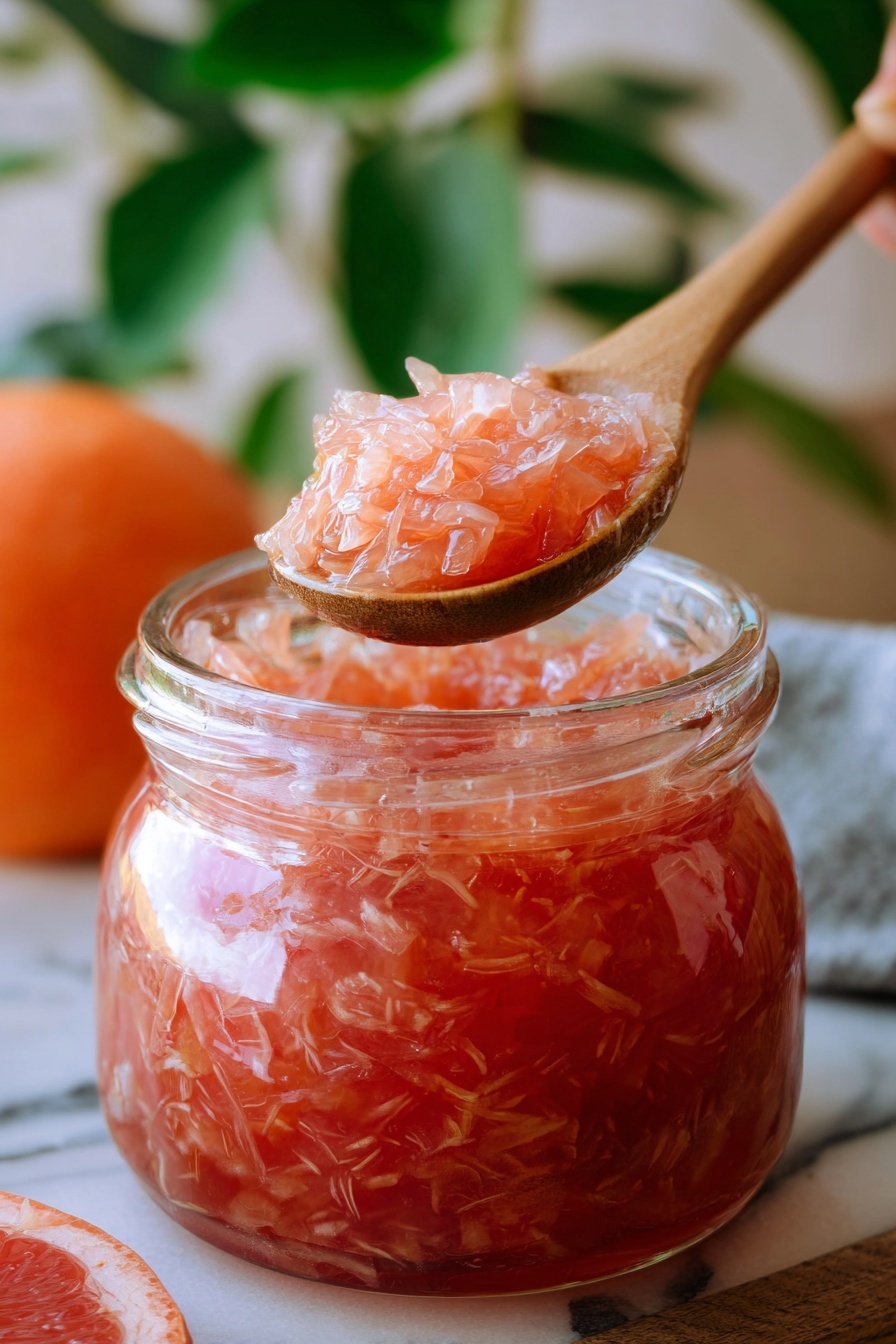
If you’re like me and love discovering easy, homemade treasures to brighten your kitchen, you’re going to adore this Grapefruit Honey Cheong Recipe. It’s a beautiful blend of tart grapefruit and soothing honey, sweetened just enough with turbinado sugar to bring out all those lively flavors. Trust me, this syrup isn’t just delicious — it’s versatile and so simple to make, perfect for adding a zing to your drinks or desserts. Stick with me here, and I’ll walk you through every step to make sure your batch turns out absolutely fantastic!
Why You’ll Love This Recipe
- Bursting with Freshness: The grapefruit brings a vibrant, tangy brightness that wakes up your palate.
- Naturally Sweetened: Combining honey and turbinado sugar balances sweetness without feeling heavy or artificial.
- Super Easy to Make: You don’t need fancy equipment or complicated steps—just a little patience and some love.
- Versatile Usage: Perfect in teas, cocktails, drizzled over yogurt, or even mixed into salad dressings.

Ingredients You’ll Need
These ingredients come together so naturally, and I’ve found that using turbinado sugar really elevates the flavor compared to plain white sugar. Plus, fresh grapefruits with minimal pith make all the difference in texture and bitterness.

- Grapefruits: Use fresh, ripe grapefruits—organic if possible—for the best flavor and juiciness.
- Honey: I prefer mild-flavored honey here so it doesn’t overshadow the grapefruit; also, raw honey adds lovely depth.
- Turbinado sugar: This unrefined sugar gives a subtle molasses hint that pairs beautifully with the honey and fruit.
Variations
I love playing around with the ratio of honey to sugar depending on how sweet or natural I want the cheong. You can really make this your own, so don’t hesitate to tweak it for your taste buds.
- All Honey Version: When I’m feeling extra natural, I use only honey for sweetness; it gives a smoother, richer texture.
- All Sugar Version: For a crisper, less dense syrup, using just turbinado sugar works well—especially if you plan to bake with it.
- Added Spices: I sometimes toss in a small cinnamon stick or a star anise while mixing for a warm spiced undertone.
- Citrus Mix: Trying half grapefruit and half lemon or orange creates a complex, zesty blend my family goes nuts for.
How to Make Grapefruit Honey Cheong Recipe
Step 1: Prep Your Grapefruits Carefully
Start by peeling the grapefruits, making sure to remove as much of that white pith as possible—it can get bitter otherwise. When I first tried this, I left too much pith and it made the syrup taste off. Then peel off the skin or membrane surrounding each segment’s pulp and pick out any seeds. This is tedious but trust me, the clearer the pulp, the better your cheong will taste.
Step 2: Combine Sweeteners and Grapefruit Pulp
Mix the honey and turbinado sugar with your grapefruit pulp. The ratio I recommend is half honey, half turbinado sugar—but feel free to adjust! I use my gloved hands to gently squeeze and break up the pulp, which helps release more juice and speeds up the process. It’s a bit messy but super satisfying. The key here is to get everything thoroughly mixed so the flavors meld well.
Step 3: Store and Let It Rest
Pop your mixture into a sanitized airtight glass jar—I’ve found glass keeps flavors pure. Refrigerate it for at least a week before using; this resting time really lets the flavors deepen and develop. But if you’re impatient like me sometimes, you can use it right away and still get great results. This syrup keeps up to three months in the fridge, which means you can enjoy seasonal citrus all year long.
Pro Tips for Making Grapefruit Honey Cheong Recipe
- Use Gloves for Easy Mixing: I often use disposable gloves—it makes squeezing the pulp less sticky and more hygienic.
- Minimize Pith for Less Bitterness: Patience peeling the grapefruit reduces bitter notes and creates a smoother syrup.
- Adjust Sweetness Gradually: Start with equal parts honey and sugar, then taste after resting and tweak if needed before using.
- Store in Glass, Not Plastic: Glass preserves flavor and prevents off-tastes, keeping your cheong fresh longer.
How to Serve Grapefruit Honey Cheong Recipe

Garnishes
I love topping drinks or desserts with a thin slice of grapefruit peel or a fresh mint sprig. It not only looks pretty but adds a refreshing aroma that elevates the experience.
Side Dishes
This syrup pairs wonderfully with classic Korean pancakes or even toasted bread and cream cheese for a sweet-tart spread that my family can’t get enough of.
Creative Ways to Present
For special occasions, I like serving chilled grapefruit soda cocktails garnished with edible flowers and a spoonful of this cheong on the side so guests can add sweet syrup to taste. It’s always a crowd-pleaser and conversation starter!
Make Ahead and Storage
Storing Leftovers
I keep my leftover cheong in a tightly sealed glass jar in the fridge. It lasts up to three months perfectly, though I bet if it lasted longer you’d be tempted to use it up sooner because it’s just that good!
Freezing
Freezing isn’t my go-to with this recipe since the texture can become grainy after thawing, but if you must freeze it, use an airtight container and thaw slowly in the fridge. Give it a good stir before using to help recombine ingredients.
Reheating
This cheong doesn’t really need reheating, but if you want to warm it slightly (like for a soothing hot tea addition), gently heat it on low in a small saucepan or microwave in short bursts to avoid destroying honey’s natural goodness.
FAQs
-
Can I make Grapefruit Honey Cheong Recipe with other citrus fruits?
Absolutely! While grapefruit has a unique tang, lemons, oranges, or even yuzu can work wonderfully. Adjust the sweetness accordingly since some citrus are sweeter or more sour than grapefruit.
-
How long does the Grapefruit Honey Cheong last in the fridge?
Stored properly in an airtight glass container, this cheong lasts up to three months in the refrigerator without losing its vibrant flavor.
-
Can I skip the sugar and use only honey?
Yes! Using all honey is totally fine and will give you a richer, more mellow syrup, but it might be stickier and less granular in texture compared to mixing sugar and honey.
-
Do I have to peel off the white pith from grapefruits?
It’s highly recommended. The white pith is bitter and can make the cheong taste unpleasant. Taking the time to remove it results in a much smoother, sweeter syrup that everyone will enjoy.
Final Thoughts
This Grapefruit Honey Cheong Recipe has quickly become one of my favorite homemade syrups—it’s like sunshine in a jar, brightening everything from my morning tea to evening cocktails. I used to shy away from citrus preserves because of the bitterness, but this method completely changed the game for me. Give it a try, have fun with the variations, and watch how a simple blend of grapefruit, honey, and sugar can transform your kitchen creations. I can’t wait to hear how you make it your own!
Print
Grapefruit Honey Cheong Recipe
- Prep Time: 30 minutes
- Cook Time: 0 minutes
- Total Time: 30 minutes
- Yield: About 2 lbs (approx. 32 oz) of grapefruit honey cheong syrup
- Category: Condiment
- Method: No-Cook
- Cuisine: Korean
- Diet: Gluten Free
Description
Grapefruit Honey Cheong is a sweet and tangy syrup made from fresh grapefruits combined with honey and turbinado sugar. This homemade Korean-style syrup captures the fresh citrus flavor with a perfect balance of natural sweetness. It can be used as a base for drinks, desserts, or a flavorful addition to recipes, offering a refreshing homemade condiment with simple ingredients and minimal preparation.
Ingredients
Fruits
- 2 grapefruits
Sweeteners
- 1/2 lb honey
- 1/2 lb turbinado sugar (can substitute with white sugar, but turbinado is preferred)
Instructions
- Peel the Grapefruit: Carefully peel the grapefruits, removing as much of the white pith as possible to reduce bitterness.
- Delimb the Pulp: Peel off the thin skin or membrane surrounding the grapefruit pulp segments and remove any seeds to avoid unwanted bitterness and texture.
- Add Sweeteners: Combine the peeled grapefruit pulp with 1/2 lb honey and 1/2 lb turbinado sugar. You can adjust the ratio of honey to sugar as desired, but the total sweetener weight should equal the grapefruit weight.
- Mix and Break Up Pulp: Mix the ingredients thoroughly, breaking up the grapefruit pulp to release the juice. Using gloved hands, squeeze and mash the pulp to accelerate juice extraction and better integrate flavors.
- Store and Mature: Transfer the mixture into a sanitized airtight glass container. Refrigerate for at least one week before use to allow flavors to meld. The syrup can be used immediately if preferred and will keep refrigerated for up to 3 months.
Notes
- You can use only honey or only sugar as the sweetener, but the ratio of grapefruit to sweetener should remain 1:1 for best taste.
- Wearing gloves during the mashing step helps protect your hands from acidity and sticky ingredients.
- Storing in an airtight container and refrigeration extend shelf life and preserve flavor.
- Turbinado sugar provides a richer flavor compared to white sugar and complements the grapefruit’s tartness.
Nutrition
- Serving Size: 2 tablespoons (approx. 30g)
- Calories: 80
- Sugar: 20g
- Sodium: 2mg
- Fat: 0g
- Saturated Fat: 0g
- Unsaturated Fat: 0g
- Trans Fat: 0g
- Carbohydrates: 21g
- Fiber: 0.5g
- Protein: 0.1g
- Cholesterol: 0mg