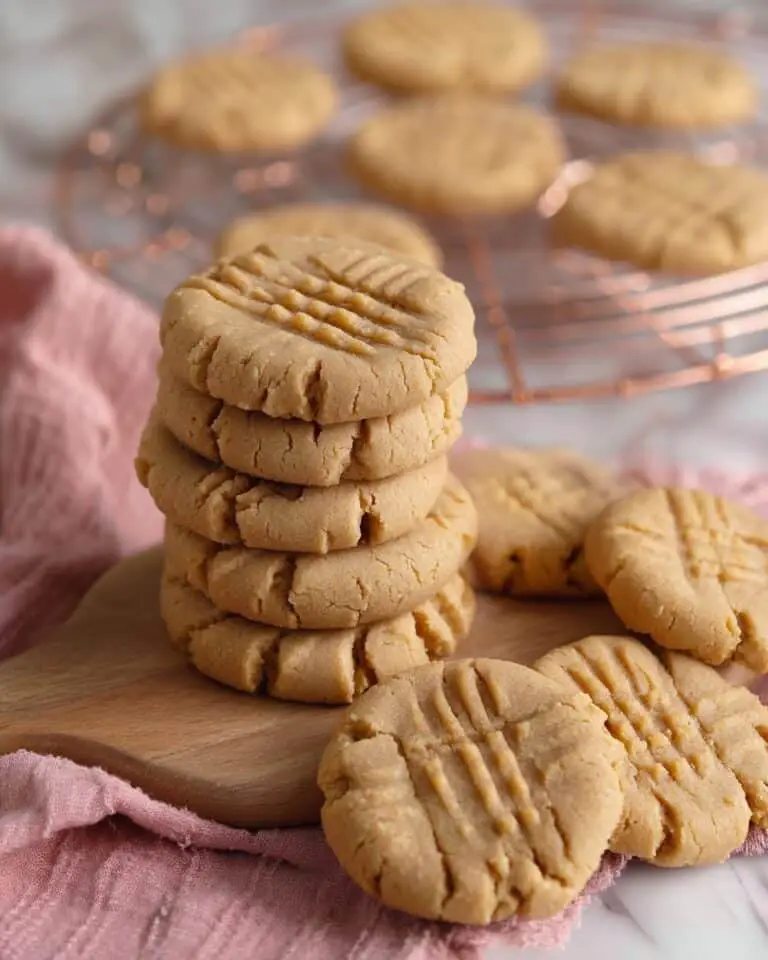


If you’re looking for a quick, versatile bread that’s both tender and packed with a subtle tang, you absolutely have to try this Cottage Cheese Flatbread Recipe. Seriously, it’s one of those simple gems that came together in my kitchen on a whim and now I make it all the time. Whether you’re serving it up alongside a spicy curry or just grabbing a piece for a snack with some hummus, this flatbread is a total crowd-pleaser.
Why You’ll Love This Recipe
- Super Simple Ingredients: You only need a handful of pantry staples plus cottage cheese to whip this up.
- Fast and Easy: From dough to table in under 30 minutes, perfect for busy days.
- Soft, Fluffy Texture: The cottage cheese brings moisture and richness that makes these flatbreads special.
- Versatile and Adaptable: Great for dipping, serving alongside mains, or even making quick wraps.

Ingredients You’ll Need
The magic here is in the combination of basic ingredients that work together to make a dough that’s soft yet sturdy enough to hold up well during cooking. Cottage cheese adds that subtle tang and moisture that sets this flatbread apart from your everyday recipe.

- Cottage cheese: I recommend using small-curd for a smoother dough; it adds moisture and a mild flavor without weighing it down.
- All-purpose flour: This gives structure, but you can experiment with whole wheat or gluten-free blends for different textures.
- Baking powder: This little lift makes the flatbreads puff slightly for a soft, pillowy bite.
- Salt: Essential for balancing flavors—use sea salt if you want a subtle crunch.
- Olive oil: I love brushing the dough before cooking, it helps the flatbread develop that beautiful golden color and adds flavor.
- Egg: This one’s key for binding everything together and adding richness.
Variations
I love how easy it is to make this recipe your own! When I first tried it, I kept it classic, but over time I found a few tweaks that make it even more exciting or suitable to specific diets.
- Herb-infused flatbreads: Adding finely chopped rosemary or thyme to the dough gives it an amazing fresh flavor—my family especially loves rosemary.
- Spiced variation: A pinch of cumin or smoked paprika in the dough gives a subtle warmth that pairs beautifully with Middle Eastern dips.
- Gluten-free: Swap all-purpose flour with a gluten-free blend and adjust the moisture slightly; I learned this works well by adding a bit more cottage cheese.
- Vegan adaptation: Omit the egg and try a flaxseed egg replacement; you’ll get a slightly different texture but still delightful.
How to Make Cottage Cheese Flatbread Recipe
Step 1: Start the Dough
Begin by adding your cottage cheese, flour, egg, and salt into a large mixing bowl. I like to use a fork or my fingers to gently bring everything together. Don’t worry if the dough looks a bit sticky or uneven—that’s totally normal.
Step 2: Bring It Together Gently
Mix just until the dough comes together into a soft, slightly sticky ball. Over-mixing can make the flatbreads tough, so pause once it’s workable. This is one of those times where “good enough” really does the trick.
Step 3: Let the Dough Relax
Cover your bowl with a kitchen towel and rest the dough for 5 to 10 minutes. This little break softens the flour’s gluten and makes shaping much easier—and I promise, your flatbreads will thank you.
Step 4: Divide Into Portions
Cut the rested dough into small palm-sized pieces. This helps each flatbread cook evenly without getting too thick or doughy, something I figured out after my first batch was a bit fiddly.
Step 5: Shape Each Piece
Flatten each piece gently into a rough circle. Don’t stress about perfect circles—I find that rustic shapes make these feel more homemade and inviting.
Step 6: Heat the Skillet
Preheat a skillet over medium heat and brush it lightly with olive oil. I like to use cast iron because it gives a nice, even brown crust, but any non-stick pan works too.
Step 7: Cook Each Flatbread
Place one flatbread in the skillet and cook for about 2–3 minutes per side until it’s golden brown, a little puffy, and smells toasty—my kitchen smells like magic at this point! Flip carefully to avoid tearing.
Step 8: Stack and Soften
Once cooked, stack your flatbreads under a clean kitchen towel. The trapped steam keeps them pillowy soft—trust me, this step makes a big difference for texture.
Step 9: Ready to Serve
These are perfect alongside spicy curries, fresh salads, or just as a snack with cheese or your favorite dip. Whenever I serve them, everyone keeps coming back for “just one more.”
Pro Tips for Making Cottage Cheese Flatbread Recipe
- Use Small-Curd Cottage Cheese: I found that small-curd blends better for a smoother dough and prevents lumps.
- Don’t Overmix the Dough: Mixing until just combined keeps your flatbread tender, avoiding toughness.
- Let It Rest: That short resting time softens the dough, making it easier to work with and fluffier when cooked.
- Cook on Medium Heat: Too hot and it’ll burn; too low and it dries out—medium heat hits the sweet spot every time.
How to Serve Cottage Cheese Flatbread Recipe

Garnishes
I love brushing my flatbreads with a little extra olive oil and sprinkling sea salt or za’atar right after cooking—it adds a fragrant, savory touch that’s irresistible.
Side Dishes
It pairs beautifully with spicy curries, chilled yogurt raita, or a colorful vegetable salad. Personally, my go-to is serving it alongside a tangy tomato chutney and roasted chickpeas.
Creative Ways to Present
For parties, I like to cut them into smaller wedges and serve them in a basket lined with a cloth napkin for that cozy, rustic vibe. They also make excellent picnic wraps when filled with fresh veggies and grilled chicken.
Make Ahead and Storage
Storing Leftovers
I store leftover flatbreads wrapped tightly in foil or in an airtight container at room temperature if I plan to eat them the same day; otherwise, the fridge works fine but can dry them out slightly.
Freezing
If you want to freeze, separate each flatbread with parchment paper and place them in a freezer bag. When thawed, they reheat wonderfully and almost taste fresh out of the skillet again.
Reheating
My favorite way to reheat is on a hot skillet for a minute or two on each side to regain that crispy exterior and warm, fluffy inside. Avoid the microwave if you can—it tends to make them rubbery.
FAQs
-
Can I make this Cottage Cheese Flatbread Recipe without an egg?
Yes! You can substitute the egg with a flaxseed egg (1 tablespoon ground flaxseed mixed with 3 tablespoons water) or even skip it, but the texture might be slightly less tender and a bit more crumbly.
-
Is it possible to use other cheeses instead of cottage cheese?
While this recipe specifically relies on cottage cheese for moisture and tang, ricotta can be a good substitute, offering a similar texture. Avoid using dry or aged cheeses unless combined with something moist.
-
How do I know when my flatbreads are cooked properly?
You’ll see golden brown spots, the flatbread will puff slightly, and it should smell toasty. The surface shouldn’t look doughy or wet—if it does, give it a bit more time on the pan.
-
Can I add herbs or spices directly into the dough?
Absolutely! Adding fresh herbs like parsley or spices like cumin to the dough is a great way to customize flavor. Just add them while mixing the dough initially.
-
What’s the best skillet to use for cooking the flatbreads?
I recommend a cast iron skillet because it heats evenly and creates a lovely crust, but a good quality non-stick pan works great too.
Final Thoughts
I absolutely love how this Cottage Cheese Flatbread Recipe turns out every single time—soft, tender, with just the right amount of tang and a deliciously toasty finish. It’s become one of my go-to quick bread recipes when I want something homemade without fuss. I can’t wait for you to try it—you’ll probably find yourself making it again and again, just like me. So grab your cottage cheese, and let’s get cooking!
Print
Cottage Cheese Flatbread Recipe
- Prep Time: 10 minutes
- Cook Time: 15 minutes
- Total Time: 25 minutes
- Yield: 4 Servings
- Category: Bread
- Method: Stovetop
- Cuisine: International
- Diet: Vegetarian
Description
This Cottage Cheese Flatbread recipe is a quick and easy way to make soft, warm flatbreads using simple ingredients like cottage cheese and all-purpose flour. They cook quickly on the stovetop, resulting in pillowy breads perfect for serving alongside curries, soups, or as a snack with your favorite dips.
Ingredients
Flatbread Dough
- 1 Cup Cottage cheese
- 1 Cup All-purpose flour
- 1 Tsp Baking powder
- 1/2 Tsp Salt
- 2 Tbsps Olive oil
- 1 Egg
Instructions
- Start the Dough: Add cottage cheese, all-purpose flour, an egg, baking powder, and a little salt to a mixing bowl.
- Bring It Together Gently: Mix all the ingredients until they form a soft, slightly sticky dough that’s workable but not perfect.
- Let the Dough Relax: Cover the bowl and let the dough rest for 5–10 minutes so it softens and becomes easier to handle during shaping.
- Divide Into Portions: Cut the rested dough into small, palm-sized pieces to ensure even cooking of each flatbread.
- Shape Each Piece: Flatten each dough portion into a rough circle. It doesn’t have to be perfectly shaped—just a comfortable size and thickness.
- Heat the Skillet: Warm a skillet over medium heat and brush or drizzle with a little olive oil to prevent sticking and help browning.
- Cook Each Flatbread: Place one flattened dough piece onto the skillet and cook for 2–3 minutes per side, until the flatbread browns nicely, puffs slightly, and releases a toasty aroma.
- Stack and Soften: Once cooked, stack the flatbreads and cover them with a towel so the steam keeps them warm and soft.
- Ready to Serve: Serve warm with curries, soups, or as a quick snack with cheese, hummus, or your favorite spreads.
Notes
- For extra flavor, brush the flatbreads with olive oil and sprinkle with sea salt or za’atar immediately after cooking.
- You can substitute whole wheat flour for all-purpose to add a nuttier flavor and more fiber.
- These flatbreads are best eaten fresh but can be reheated in a skillet or microwave.
Nutrition
- Serving Size: 1 flatbread (approximately 80g)
- Calories: 150
- Sugar: 1g
- Sodium: 300mg
- Fat: 7g
- Saturated Fat: 1.5g
- Unsaturated Fat: 5g
- Trans Fat: 0g
- Carbohydrates: 15g
- Fiber: 1g
- Protein: 8g
- Cholesterol: 40mg