

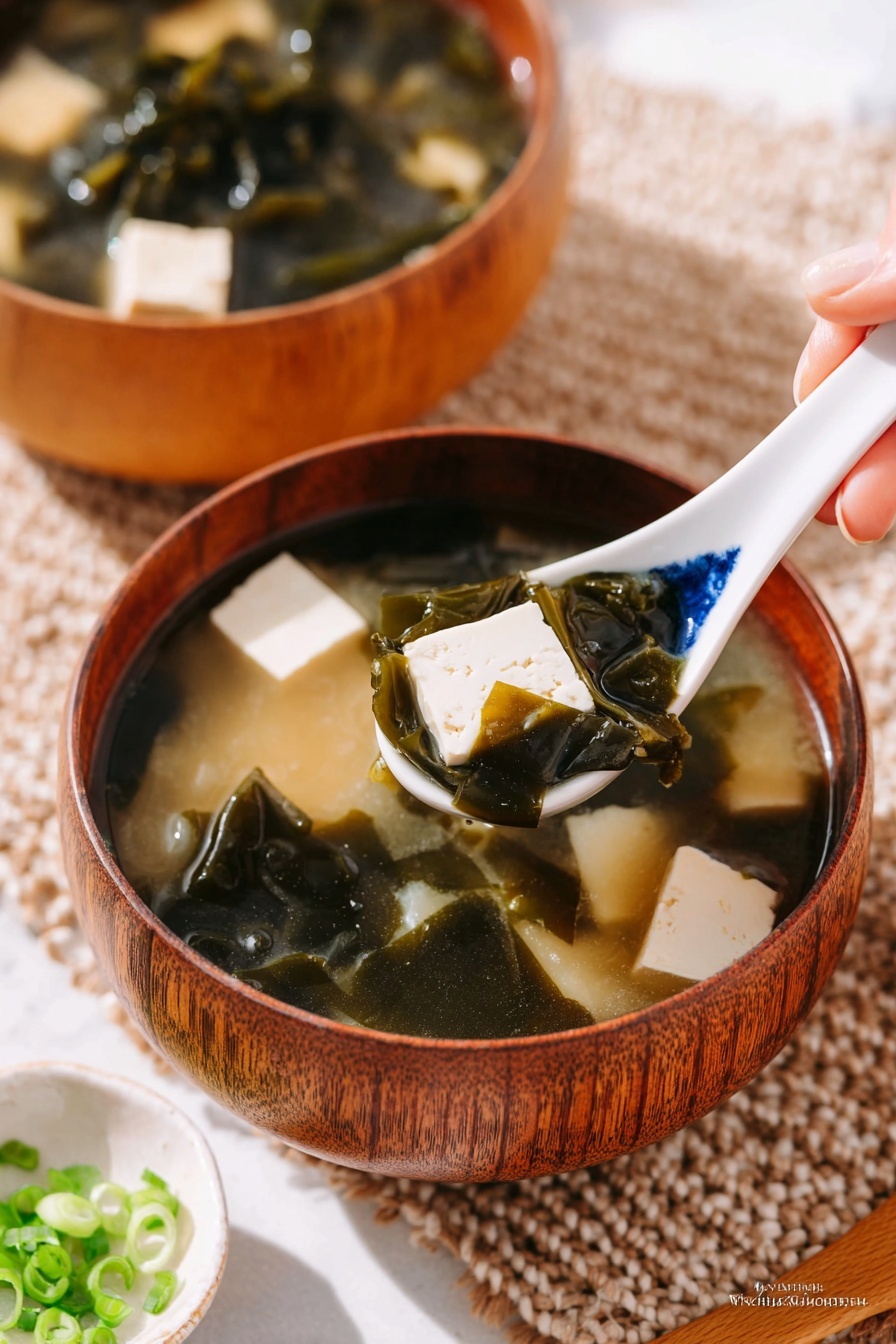
If you’re craving a cozy, comforting bowl of soup that’s both nourishing and simple to whip up, you’re going to love this Easy Miso Soup Recipe. I absolutely love how it delivers authentic Japanese flavors without the fuss—perfect for busy weeknights or whenever you want something soothing in a flash. Plus, once you get the hang of it, making miso soup becomes second nature, and you’ll find yourself customizing it with your favorite add-ins like a pro!
Why You’ll Love This Recipe
- Super Quick & Easy: You can have this soup ready in under 10 minutes—no complicated steps or long simmering times.
- Authentic Umami Flavor: Using hondashi powder and miso paste gives you that rich depth of taste that makes miso soup so addictive.
- Customizable & Gluten-Free: Whether you want to keep it classic or tweak it to your taste, this recipe works well with gluten-free miso and your favorite tofu.
- Kid-Friendly & Comforting: My family goes crazy for this soup; it’s mild and nourishing enough for all ages.

Ingredients You’ll Need
The magic of this Easy Miso Soup Recipe lies in how the ingredients come together: simple components that each bring a unique flavor and texture. When shopping, I recommend grabbing good quality miso paste and fresh tofu for the best results.
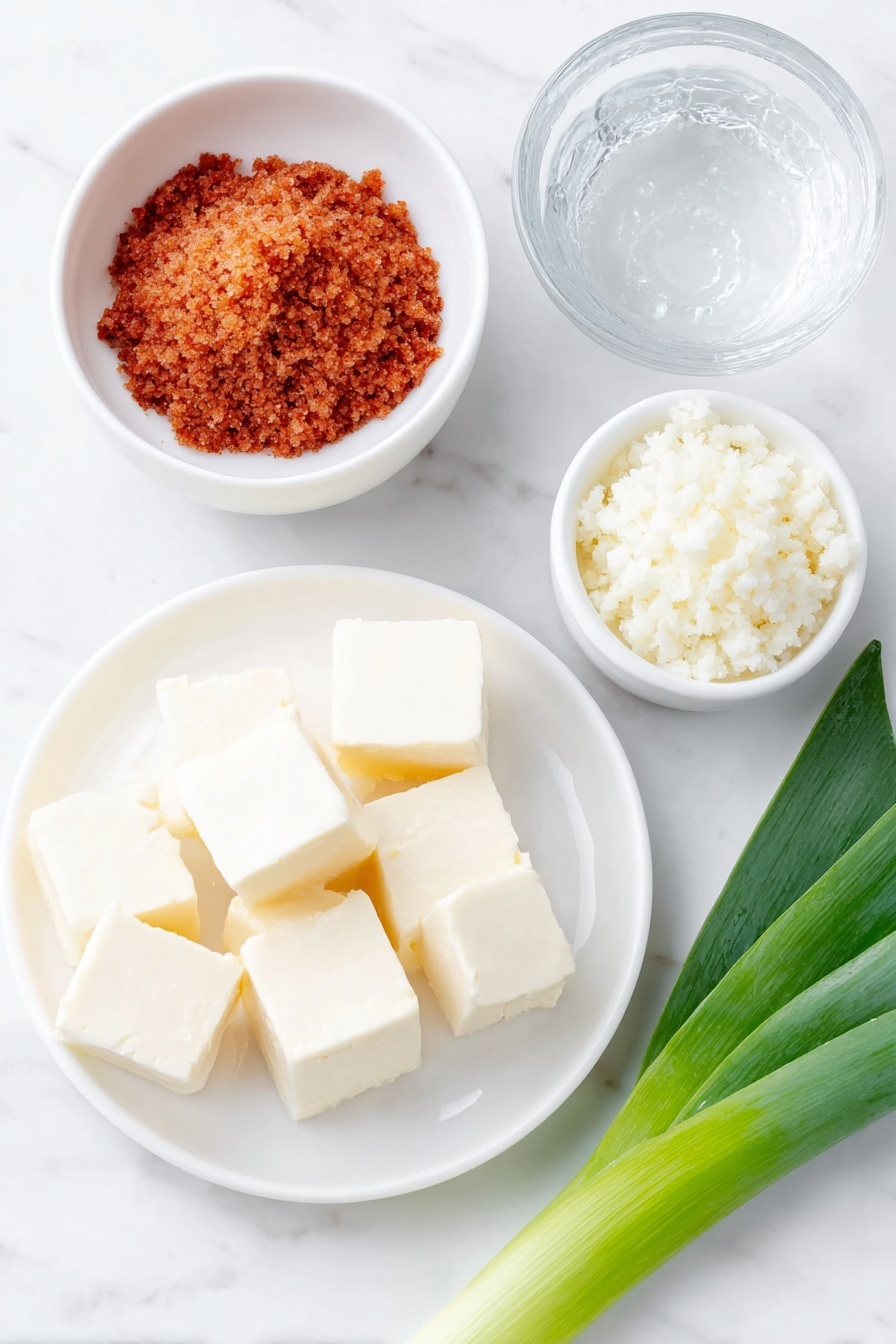
- Water: The base for the broth; I always use filtered water for a cleaner taste.
- Hondashi powder: This powdered dashi is my shortcut to authentic umami without making stock from scratch.
- Wakame seaweed: Dried wakame expands nicely, so I break it into smaller pieces—makes it easier to eat and distributes flavor evenly.
- Tofu: I like using firm tofu for texture, but silken tofu works beautifully if you want it silky and soft.
- Gluten-free miso paste: White, yellow, or red miso all work—white is sweeter and milder, while red is richer and saltier, so choose what suits your palate.
- Green onion: Thinly sliced—this optional touch adds a fresh pop and slight crunch at the end.
Variations
One of the things I find most fun about this Easy Miso Soup Recipe is how easy it is to personalize. Whether you love veggies, want it even heartier, or need to keep it strictly gluten-free, there’s a version here for you!
- Extra Vegetables: I sometimes add sliced shiitake mushrooms or baby spinach for a nutrient boost—both work beautifully without overpowering the broth.
- Protein Options: Besides tofu, leftover cooked chicken or shrimp makes this soup a quick, protein-packed meal.
- Spicy Kick: If you enjoy a bit of heat, a few drops of chili oil or some sliced fresh chili peppers bring a nice zing.
- Vegetarian/Vegan: Stick to plant-based ingredients and ensure your miso paste is free from fish additives for a truly vegan-friendly soup.
How to Make Easy Miso Soup Recipe
Step 1: Build Your Umami Base
Start by heating 4 cups of water in a pot until boiling. Once boiling, stir in 1 teaspoon of hondashi powder, which instantly transforms that plain water into a rich dashi broth. Then add your broken pieces of wakame seaweed and cubed tofu. Bring it back to a boil—watch as the tofu gently floats, and the wakame softens.
Step 2: Simmer and Rehydrate
Reduce the heat to a high simmer and let the soup bubble gently for about 3 minutes. This step rehydrates the wakame seaweed perfectly and infuses the broth with its oceanic goodness. You’ll notice the vibrant green color brightening up—that’s your cue that it’s ready for the next step.
Step 3: Incorporate Miso Paste
Here’s a technique I discovered that really makes a difference: turn off the heat before adding the miso paste to preserve its subtle flavors and probiotics. Use a fine mesh strainer to dissolve 4 tablespoons of miso paste into the broth slowly. If you don’t have a strainer handy, scoop out some hot broth into a bowl, whisk in the miso paste until smooth, then pour it back. This keeps your soup silky and free of clumps.
Step 4: Finish with Green Onions and Serve
Finally, sprinkle in thinly sliced green onions. This last touch adds freshness and slight crunch, perfectly balancing the savory broth. Serve your Easy Miso Soup piping hot and dive in—you’ll be amazed how something so simple tastes so incredibly satisfying.
Pro Tips for Making Easy Miso Soup Recipe
- Heat Control: Never boil soup after adding miso paste—it destroys delicate flavors and beneficial enzymes.
- Miso Measurement: I usually start with 4 tablespoons but adjust depending on your miso type and salt preference; taste as you go!
- Tofu Texture: Press your tofu gently to remove excess water for a firmer bite, or use silken tofu for softer, melt-in-your-mouth cubes.
- Seaweed Size: Cutting wakame into smaller pieces ensures every spoonful is balanced and easy to eat without giant seaweed chunks.
How to Serve Easy Miso Soup Recipe
Garnishes
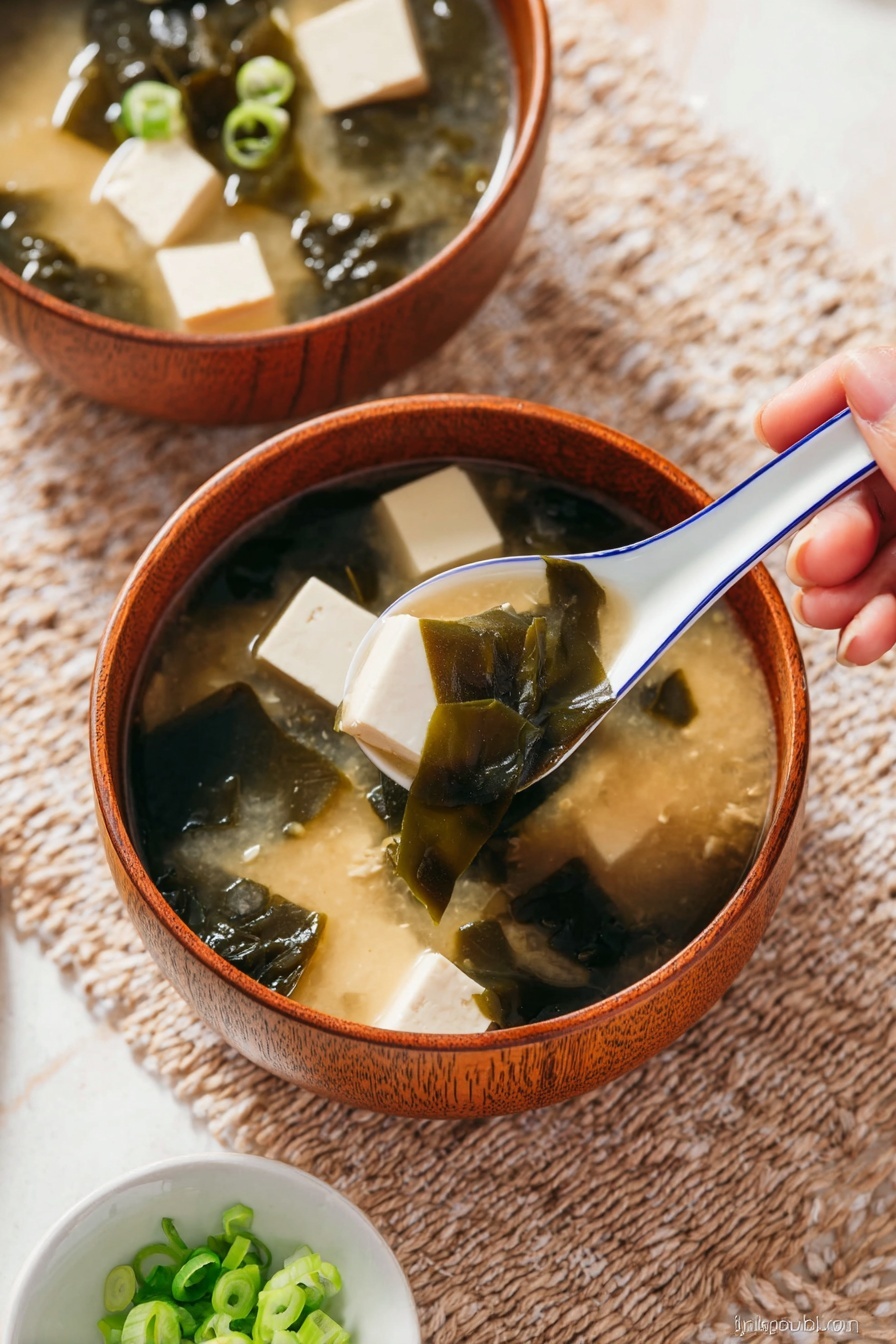
I always keep it simple with sliced green onions, but sometimes I add a sprinkle of toasted sesame seeds or a few flakes of dried bonito for extra umami punch. A tiny drizzle of chili oil can also bring warmth if you’re feeling adventurous. These toppings elevate the flavor without overpowering the subtle broth.
Side Dishes
My favorite pairing is a bowl of steamed rice and a small plate of pickled vegetables or edamame. It’s a classic combo that warms the soul. For a heartier meal, grilled salmon or veggie tempura makes a great match alongside this miso soup.
Creative Ways to Present
For special occasions, I pour the soup into rustic ceramic bowls and add a sprig of fresh cilantro or mitsuba leaves on top. Using bamboo ladles and serving on wooden trays adds to the cozy, authentic feel. Plus, inviting friends to customize their own bowls with different garnishes makes it interactive and fun!
Make Ahead and Storage
Storing Leftovers
I find it best to store leftover soup in an airtight container in the fridge and consume within 2 days. Because the tofu and seaweed absorb liquid over time, the broth thickens slightly, but reheating gently fixes that.
Freezing
Freezing is possible but not ideal as tofu can change texture and the delicate flavors may diminish. If you do freeze, separate the broth and tofu/seaweed in containers and thaw the broth first before combining to retain best taste.
Reheating
When reheating, warm the soup over low heat and avoid boiling. Stir gently until heated through to protect the miso’s flavor and probiotics. Adding a fresh sprinkle of green onions after reheating brightens the soup back up.
FAQs
-
Can I use regular miso paste instead of gluten-free?
Absolutely! Regular miso paste works well in this recipe. Just check the label if you have dietary restrictions, but the cooking process and flavor will be the same. Gluten-free miso is simply a safe choice for those avoiding gluten.
-
What’s the difference between white, yellow, and red miso?
White miso is sweeter and milder, yellow is a middle ground, and red miso has a stronger, saltier flavor. For beginners, I usually suggest starting with white or yellow miso because it’s more delicate and easier to adjust.
-
Why shouldn’t I boil the soup after adding miso paste?
Boiling kills the beneficial bacteria and layers of complex flavor in miso paste. That’s why it’s best to turn off the heat and dissolve the miso afterward—this way, you keep all the taste and nutrition intact.
-
Can I add other ingredients to the miso soup?
Definitely! Vegetables like mushrooms, spinach, or daikon radish are great options. You can also add noodles or seafood if you want a heartier meal—just add them during the simmering step to cook through.
Final Thoughts
This Easy Miso Soup Recipe holds a special place in my heart because it’s incredibly forgiving and versatile, yet so satisfying every single time. I used to struggle with getting the balance of miso and broth just right, but once I learned the tricks here, making miso soup became my go-to comfort food. I hope you’ll give it a try and see how quickly it becomes one of your favorites too. Trust me—it’s comfort in a bowl that you’ll want to enjoy again and again.
Print
Easy Miso Soup Recipe
- Prep Time: 2 minutes
- Cook Time: 6 minutes
- Total Time: 8 minutes
- Yield: 4 servings
- Category: Soup
- Method: Stovetop
- Cuisine: Japanese
- Diet: Gluten Free
Description
This Easy Miso Soup recipe is a comforting, gluten-free Japanese classic made with simple ingredients like tofu, wakame seaweed, and gluten-free miso paste. It features a flavorful broth enhanced with hondashi powder, perfect for a quick and nourishing meal or appetizer.
Ingredients
Broth and Base
- 4 cups water
- 1 teaspoon hondashi powder
Soup Ingredients
- ¼ cup wakame seaweed, cut or broken into smaller ½ inch pieces
- 8 ounces tofu, drained and cut into ½ inch cubes or smaller
- 4 tablespoons gluten free miso paste (white, yellow, or red miso)
- 1 stalk green onion, thinly sliced (optional)
Instructions
- Prepare Broth: Heat the water to a boil in a pot, then add hondashi powder, wakame seaweed, and tofu cubes to the boiling water.
- Simmer Soup: Bring the soup back to a boil, then reduce the heat to a high simmer. Let it simmer for about 3 minutes or until the wakame seaweed is fully rehydrated.
- Dissolve Miso Paste: Turn off the heat. Use a strainer to blend the miso paste into the soup by scooping some broth through the paste until dissolved. If no strainer is available, scoop a small amount of soup, dissolve the miso in it, then return it to the pot.
- Add Garnish and Serve: Stir in sliced green onions if using, then serve the miso soup hot and enjoy.
Notes
- Miso paste: Choose white, yellow, or red miso based on flavor preference. White miso is creamier and sweeter, while red miso is saltier and richer. Adjust the amount as desired.
- Red miso paste: Since red miso is saltier, reduce to 3 tablespoons if using instead of white or yellow.
- Tofu: Silken tofu is commonly used, but any firmness is suitable for this recipe.
- Wakame seaweed: Dry wakame expands when rehydrated, so cut into small pieces for easier eating.
- Hondashi: This granulated powder is a convenient alternative to making traditional dashi broth from scratch.
- For photos, tips, and FAQs, refer to the detailed post accompanying this recipe.
Nutrition
- Serving Size: 1 cup (about 240 ml)
- Calories: 70
- Sugar: 1g
- Sodium: 650mg
- Fat: 3g
- Saturated Fat: 0.4g
- Unsaturated Fat: 2.6g
- Trans Fat: 0g
- Carbohydrates: 5g
- Fiber: 1g
- Protein: 6g
- Cholesterol: 0mg