
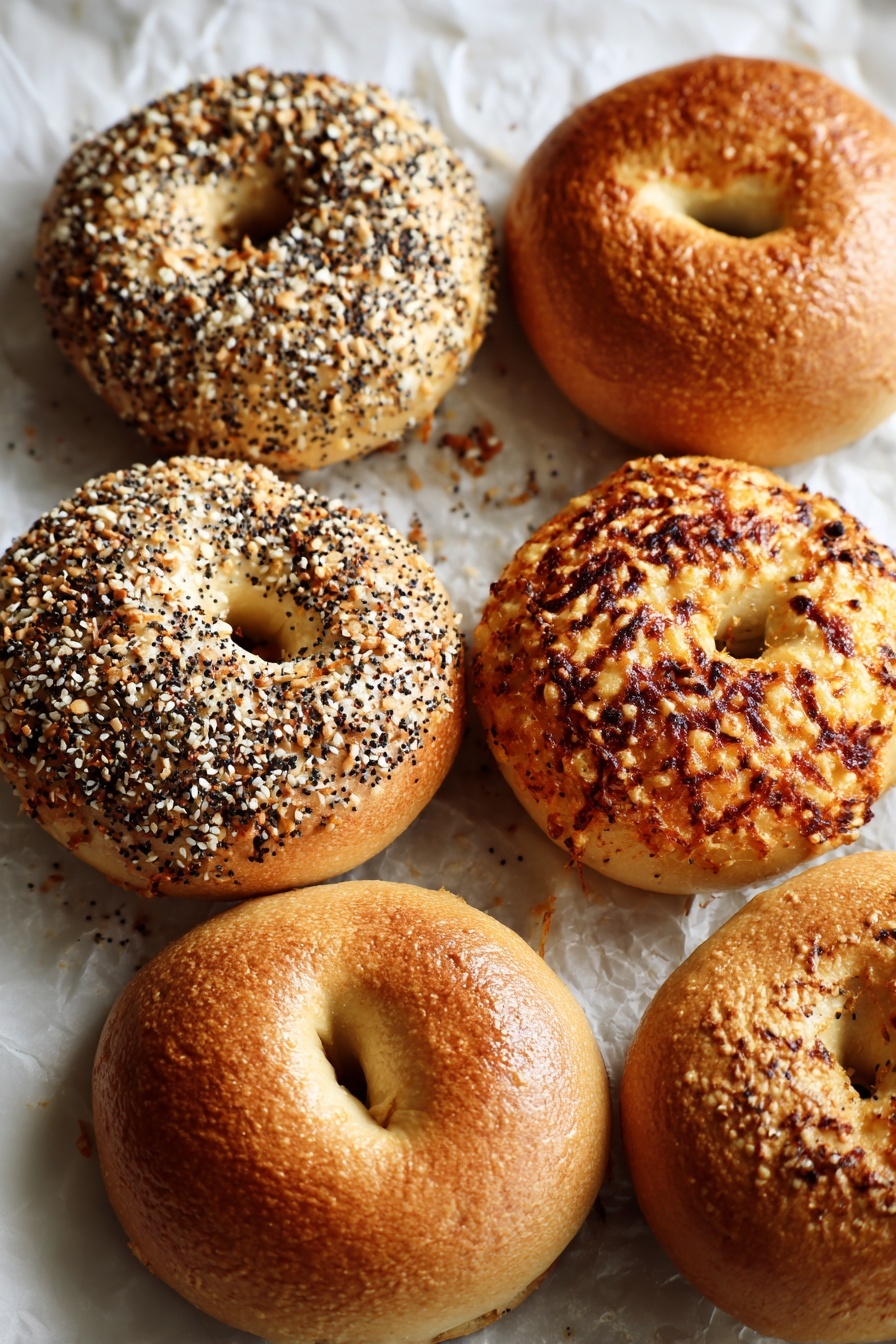
If you’ve ever dreamed of biting into a perfectly chewy, tangy, and golden bagel fresh out of your own oven, then you’re going to love this Homemade Sourdough Bagels Recipe. It’s a beautiful blend of traditional sourdough fermenting and classic bagel-making that results in a crusty outside with the most incredible tender interior. Trust me, once you master this recipe, you’ll wonder why you ever relied on store-bought bagels.
Why You’ll Love This Recipe
- Authentic Flavor: The sourdough starter gives these bagels a subtle tang you won’t find anywhere else.
- Chewy Texture: Hand-kneading creates that classic, satisfying chew and perfect crust.
- Customizable Toppings: From everything seasoning to cheese, you can get creative with every bake.
- Versatile Use: These bagels work wonderfully for breakfast, sandwiches, or even bagel chips!

Ingredients You’ll Need
I love how simple and wholesome the ingredient list is for this Homemade Sourdough Bagels Recipe. Each item plays a special role, whether it’s nurturing the dough’s rise or adding that perfect sweetness and chew.
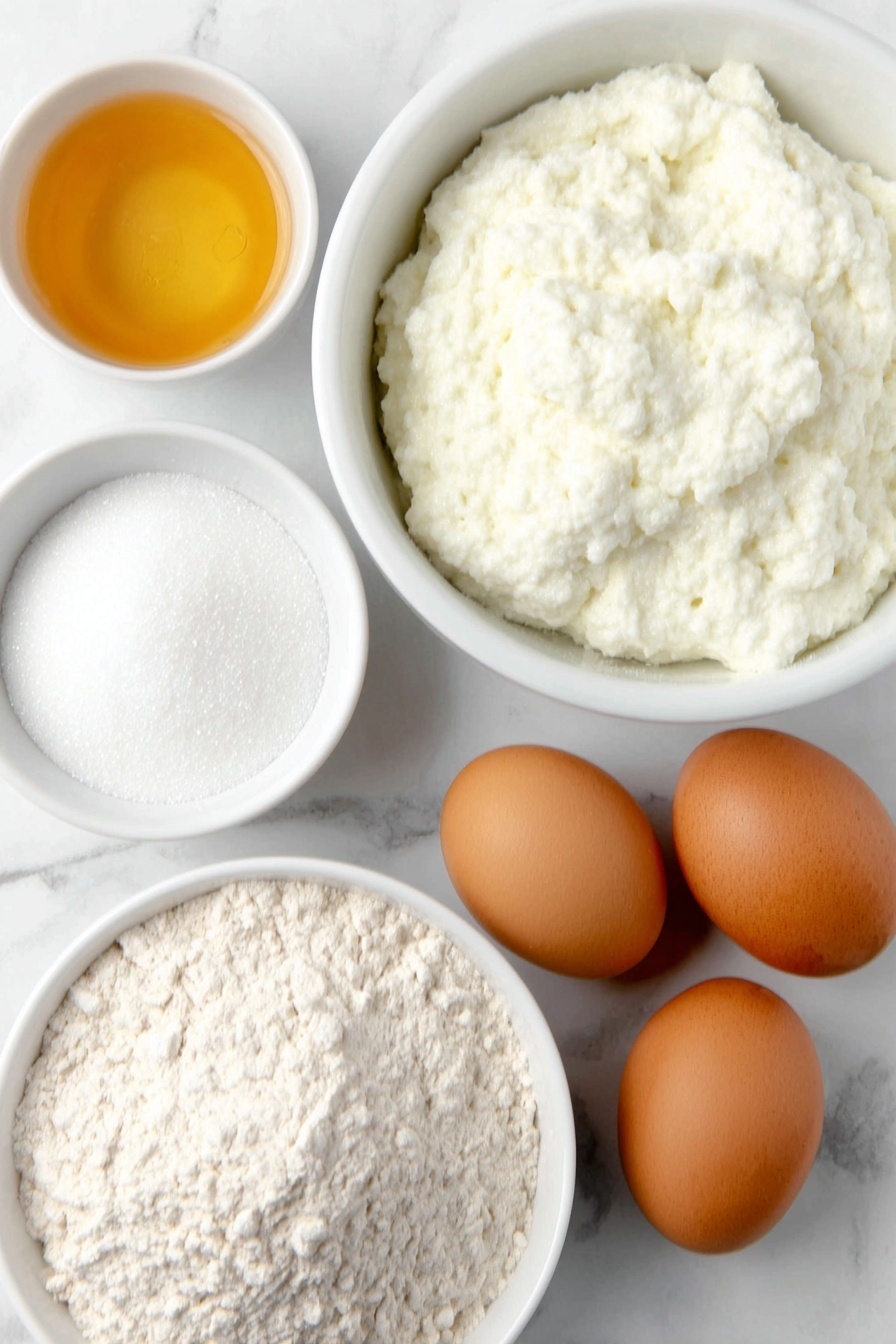
- Active Sourdough Starter: Make sure yours is bubbly and active to get the best fermentation and flavor.
- Warm Water: You want it warm, not hot, to encourage the yeast activity without killing it.
- Bread Flour: High-protein flour is key for that chewy texture we all crave in bagels.
- Sugar: It feeds the starter and gives just the right hint of sweetness to balance sourness.
- Salt: Essential for flavor and controlling yeast activity—a little goes a long way.
- Honey: Added to the boiling water for a subtle sweetness and shiny crust.
Variations
One of the reasons I enjoy making this Homemade Sourdough Bagels Recipe so much is how easy it is to tweak it to suit your flavor mood or dietary needs. Don’t hesitate to get creative or simplify as you like!
- Seed and Spice Mix: I’ve experimented with everything bagel seasoning, sesame seeds, poppy seeds, and even a cinnamon crunch for a sweet twist. Each adds a unique flavor dimension.
- Cheese Toppings: Sprinkling asiago or sharp cheddar before baking creates an irresistible crispy, cheesy crust that my family goes crazy for.
- Whole Wheat Flour: If you want a nuttier flavor and healthier option, swap half the bread flour for whole wheat – just expect a slightly denser crumb.
- Overnight Second Rise: I sometimes refrigerate the shaped bagels overnight; it slows fermentation and intensifies flavor beautifully.
How to Make Homemade Sourdough Bagels Recipe
Step 1: Mix the Starter, Water, and Sugar
Start by mixing your active sourdough starter, warm water, and sugar in a straight-edge bowl until it looks like a milky liquid. I love using a Danish dough whisk here because it easily incorporates ingredients without overworking the dough. You’ll want to see the mixture just smooth and slightly bubbly—this means your starter is happy and ready to go.
Step 2: Add Flour and Salt, Then Knead by Hand
Next, add your bread flour and salt to the wet mix. I like to mix it all together until just incorporated, then get ready for the best part—kneading. This dough is pretty stiff, so using the heel of your hand, pull a section of dough, fold it over, and push it into the main ball. Repeat while turning the bowl clockwise for 5-6 minutes. It’s a bit of work, but that hand-kneading builds the chewy texture that makes these bagels stand out. Plus, it’s a great way to connect with your dough!
Step 3: Rest and Stretch & Fold
Cover the dough and let it rest for one hour. Then come back and do a quick 30-second stretch and fold using the same fold-push motion. This helps strengthen the dough’s gluten network. I usually place the bowl in a warm spot afterward and let it rest for a bulk rise until doubled, which can take 8-12 hours depending on your kitchen temperature.
Step 4: Shape Your Bagels
When your dough has doubled, gently turn it out onto a clean surface—no flour needed. Pat it into a rectangle about 1/2 inch thick and slice into 8 equal triangles; I usually go at it like I’m cutting a pizza. Roll each triangle into a tight ball, then poke a hole with your thumb and stretch it out to about 2 inches. Don’t worry if it shrinks back; it’ll relax during the second rise.
Step 5: Second Rise and Boil Bath
Place bagels on a parchment-lined sheet, cover them so they don’t dry out, and rest for 20-60 minutes until puffed. Meanwhile, preheat your oven to 425°F. Prepare a large pot of water with honey added—the honey gives a lovely sheen and slight sweetness to the crust. Boil bagels a few at a time for 30 seconds on each side, then transfer them to a cooling rack. This boiling step is essential for that classic bagel chew and crust formation.
Step 6: Add Toppings and Bake
After boiling, dip the wet tops of your bagels into your favorite toppings—everything seasoning is my go-to, but go wild! Place bagels back on parchment. If you’re adding cheese, flipping the bagel and topping the bottom creates a wickedly crunchy cheesy layer too. Bake for 20-25 minutes until golden brown with an internal temp of about 200-210°F. Cool on a rack, then slice while still warm and slather with butter. You’re in for a treat!
Pro Tips for Making Homemade Sourdough Bagels Recipe
- Hand Kneading Is Key: I found that the dough’s chewy texture shines brightest when kneaded by hand rather than a mixer.
- Timing Matters: Bulk ferment in a cooler kitchen takes longer—watch your dough, not the clock, for doubling.
- Boil with Honey: Adding honey to the boiling water gives bagels a beautiful sheen and subtle sweetness that’s irresistible.
- Don’t Skip Second Rise: Letting the shaped bagels rest ensures puffiness and avoids dense, flat bagels.
How to Serve Homemade Sourdough Bagels Recipe
Garnishes
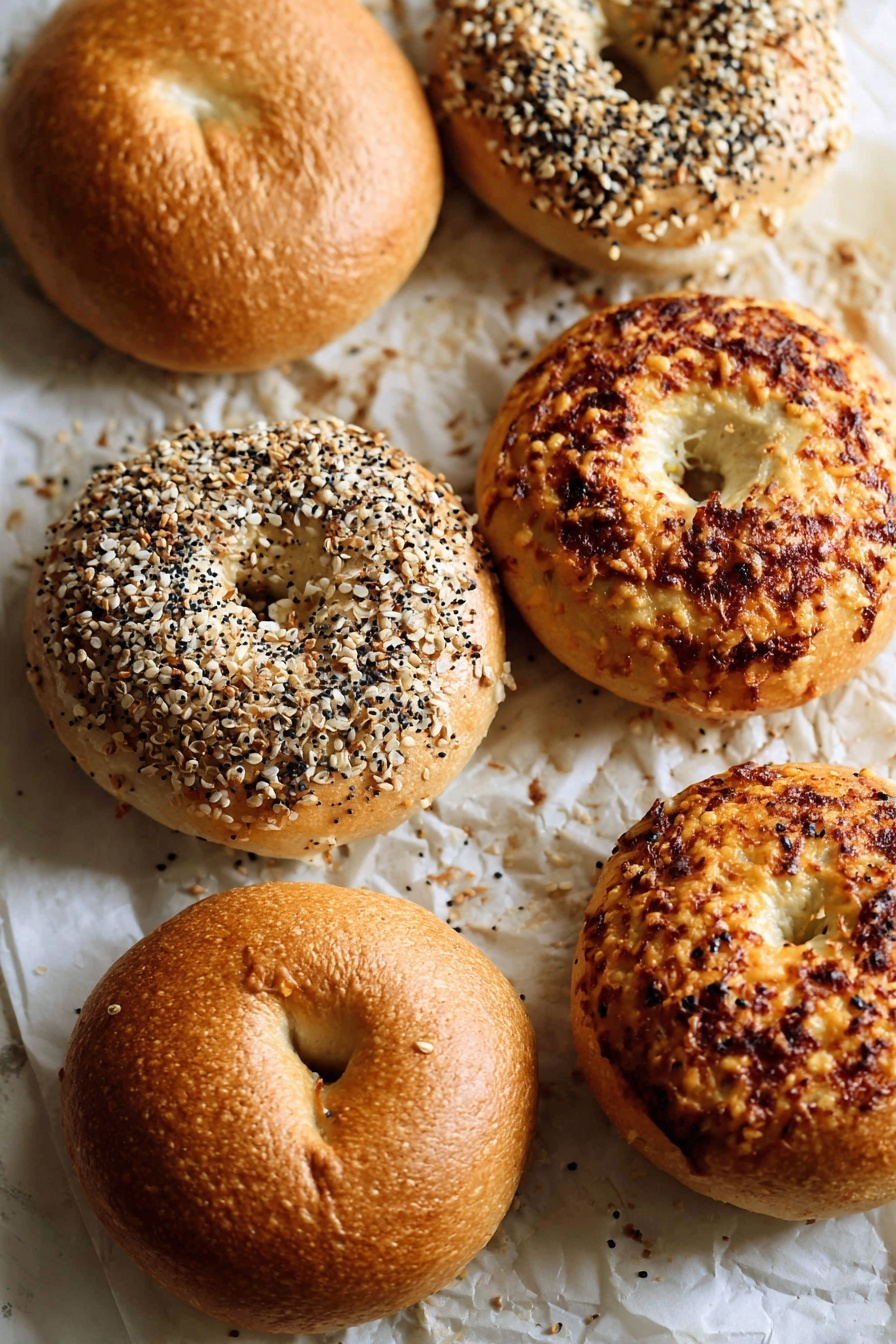
I’m a huge fan of the classic everything bagel seasoning—black and white sesame seeds, dried onion, garlic flakes, and a sprinkle of coarse salt is my go-to. But sometimes I switch it up with cinnamon sugar for a sweet breakfast vibe or asiago cheese for a savory twist. The great thing is your bagels will be perfectly sticky after boiling, so the toppings adhere easily for a colorful, tasty crust.
Side Dishes
These bagels shine next to simple spreads like cream cheese or avocado mash, but don’t be afraid to turn them into stars with scrambled eggs or smoked salmon on the side. For lunch or dinner, they’re mouthwatering as bun alternatives for burgers or pulled pork sandwiches, adding that homemade charm and extra chew.
Creative Ways to Present
One fun idea I tried recently was turning leftover bagels into bagel chips—thinly slicing and toasting with garlic and herbs makes for a killer crunchy snack. For special brunches, I’ve made “bagel bites” by slathering marinara and cheese, then baking until melty and bubbly—pure nostalgia with a grown-up twist!
Make Ahead and Storage
Storing Leftovers
In my house, these bagels rarely last beyond a day because they’re so good! But when I do have leftovers, I store them in a plastic bag at room temperature for 2-3 days. This keeps them soft and fresh without losing that beloved chew.
Freezing
I always slice and freeze my bagels in a gallon-sized bag, so I can pull out just what I need. Frozen bagels keep beautifully for about 3 months and thaw quickly on the counter.
Reheating
To enjoy leftovers, I recommend a quick 10-second microwave zap to soften them, then a quick toast. This combo revives that fresh-baked texture and makes the crust nice and crisp again.
FAQs
-
Can I use instant yeast instead of sourdough starter for this bagel recipe?
While this recipe is designed specifically for a sourdough starter to develop that unique tang and texture, you can substitute instant yeast if you’re short on starter. Use about 1 to 2 teaspoons of instant yeast, and adjust rise times accordingly—usually much faster. However, the flavor won’t have that signature sourdough depth.
-
Why do I need to boil the bagels before baking?
Boiling the bagels gives them their classic chewy crust and shiny exterior. The hot water sets the crust quickly so it doesn’t puff up like bread during baking. Adding honey to the boiling water adds a lovely color and subtle sweetness to the crust, which is a game-changer.
-
How do I know when the dough has properly bulk fermented?
You want to see the dough roughly double in size and become noticeably smoother and puffier. The exact time can vary based on temperature, usually 8-12 hours at around 69°F. It’s better to rely on visual cues rather than the clock—if it’s not quite doubled, give it more time.
-
Can I make these bagels gluten-free?
Because this recipe relies on bread flour and gluten development for its chewy texture, making it gluten-free would require a completely different approach with specialty flours and binders. For the classic sourdough bagel experience, I recommend sticking to wheat flour.
-
What’s the best way to shape the bagels?
I’ve found that rolling the dough into tight balls before poking a hole with your thumb and stretching to shape works best. Stretch gently and aim for about a 2-inch hole before baking; the dough will relax during the second rise. This method helps create that iconic bagel ring and consistent baking.
Final Thoughts
I absolutely love how this Homemade Sourdough Bagels Recipe marries the rustic tang of sourdough with the satisfying chew of a classic bagel. When I first tried making bagels at home, store-bought versions always felt flat and uninspired by comparison. This recipe, with just a few simple ingredients and some patience, lets you create something far more special. Whether you’re a sourdough enthusiast or just a bagel lover, I promise you’ll enjoy the process and the delicious results. So grab your starter, roll up your sleeves, and get ready to become your family’s new favorite “bagel baker”!
Print
Homemade Sourdough Bagels Recipe
- Prep Time: 1 hour
- Cook Time: 20 minutes
- Total Time: 9 hours 20 minutes
- Yield: 8 bagels
- Category: Bread
- Method: Baking
- Cuisine: American
Description
This Sourdough Bagels recipe creates soft, chewy, and flavorful bagels with a tangy twist from a natural sourdough starter. Perfectly boiled in a honey-infused bath and baked to golden brown perfection, these homemade bagels are versatile and delicious, whether enjoyed plain, with creative toppings, or as part of a sandwich.
Ingredients
Dough Ingredients
- 150 grams active sourdough starter (about 3/4 cup)
- 250 grams warm water (about 1 cup + 1 tablespoon)
- 500 grams bread flour (3 1/2 cups)
- 40 grams sugar (3 tablespoons)
- 12 grams salt (2 teaspoons)
Boiling Bath
- 20 grams honey (for the boil bath)
Toppings (Optional)
- Everything Bagel Seasoning (white and black sesame seeds, onion and garlic flakes, sea salt)
- Poppy seeds
- Sesame seeds
- Garlic flakes
- Onion flakes
- Cheese (e.g., Asiago cheese)
- Cinnamon Crunch (brown, white, and coarse sparkling sugar, cinnamon, flour, vanilla, butter)
Instructions
- Make the Dough: In a straight-edge bowl, combine 150 grams active sourdough starter, 250 grams warm water, and 40 grams sugar. Mix by hand or with a Danish dough whisk until you achieve a milky liquid. Add 500 grams bread flour and 12 grams salt, mixing until fully incorporated. Knead the dough by hand for 5-6 minutes using a stretch, fold, and push motion until the dough feels stiff and a bit bumpy. Cover and rest for 60 minutes.
- Stretch and Fold: After resting, perform the stretch, fold, and push kneading routine again for 30 seconds. The dough will become smoother and less stiff. Cover and place in a warm spot for bulk fermentation.
- Bulk Rise: Allow the dough to double in size over 8-12 hours at around 69°F (20-21°C). Timing depends on kitchen temperature; warmer rooms shorten rise time, cooler rooms extend it.
- Shape: Gently remove the dough onto a clean surface without dusting flour. Flatten and stretch into a large rectangle about ½ inch thick. Cut into 8 equal triangle pieces using a bench scraper or sharp knife. Shape each triangle into a smooth ball, then poke a hole in the center with your thumb and stretch to form bagel rings about 2 inches apart. Place shaped bagels on parchment-lined baking sheet and cover to prevent drying.
- Second Rise: Let the shaped bagels rest covered in a warm place until puffed, approximately 20-60 minutes. Alternatively, refrigerate covered for up to 24 hours; warming will prolong the rise time before baking.
- Boil Bath: Preheat oven to 425°F (218°C). Fill a large pot with about 10 cups of water, add 20 grams honey, and bring to a boil. Boil bagels two or three at a time for 30 seconds on each side. Remove with a slotted spoon and place on a cooling rack.
- Add Toppings (Optional): While the bagels are still sticky, dip the tops into your choice of toppings such as everything bagel seasoning, seeds, or cheese. For cheese, dipping the underside also adds a crunchy texture after baking.
- Bake: Arrange bagels on a parchment-lined baking sheet and bake for 20-25 minutes until golden brown and the internal temperature reaches 200-210°F (93-99°C). Remove from oven and cool on wire rack.
- Serve: Enjoy warm with butter for a chewy, buttery bite that’s truly delightful.
Notes
- Simple Baking Schedule: Make dough at 8pm, rest 1 hour; knead and cover overnight 8-12 hours; shape and rest 20-60 minutes; boil and bake next morning at 425°F.
- Topping Suggestions: Everything bagel seasoning, poppy seeds, sesame seeds, garlic flakes, onion flakes, Asiago cheese, cinnamon crunch.
- Other Uses: Bagel chips (baked for 10 minutes), breakfast egg sandwiches, burger buns, or adult bagel bites with marinara and cheese.
- Storage: Store leftovers in a plastic bag at room temperature for 2-3 days or freeze whole/sliced for up to 3 months. Reheat with a quick microwave or toast.
- Kneading by hand is recommended for better texture versus stand mixer.
Nutrition
- Serving Size: 1 bagel
- Calories: 280
- Sugar: 5g
- Sodium: 400mg
- Fat: 1.5g
- Saturated Fat: 0.3g
- Unsaturated Fat: 1.2g
- Trans Fat: 0g
- Carbohydrates: 58g
- Fiber: 2.5g
- Protein: 9g
- Cholesterol: 0mg