
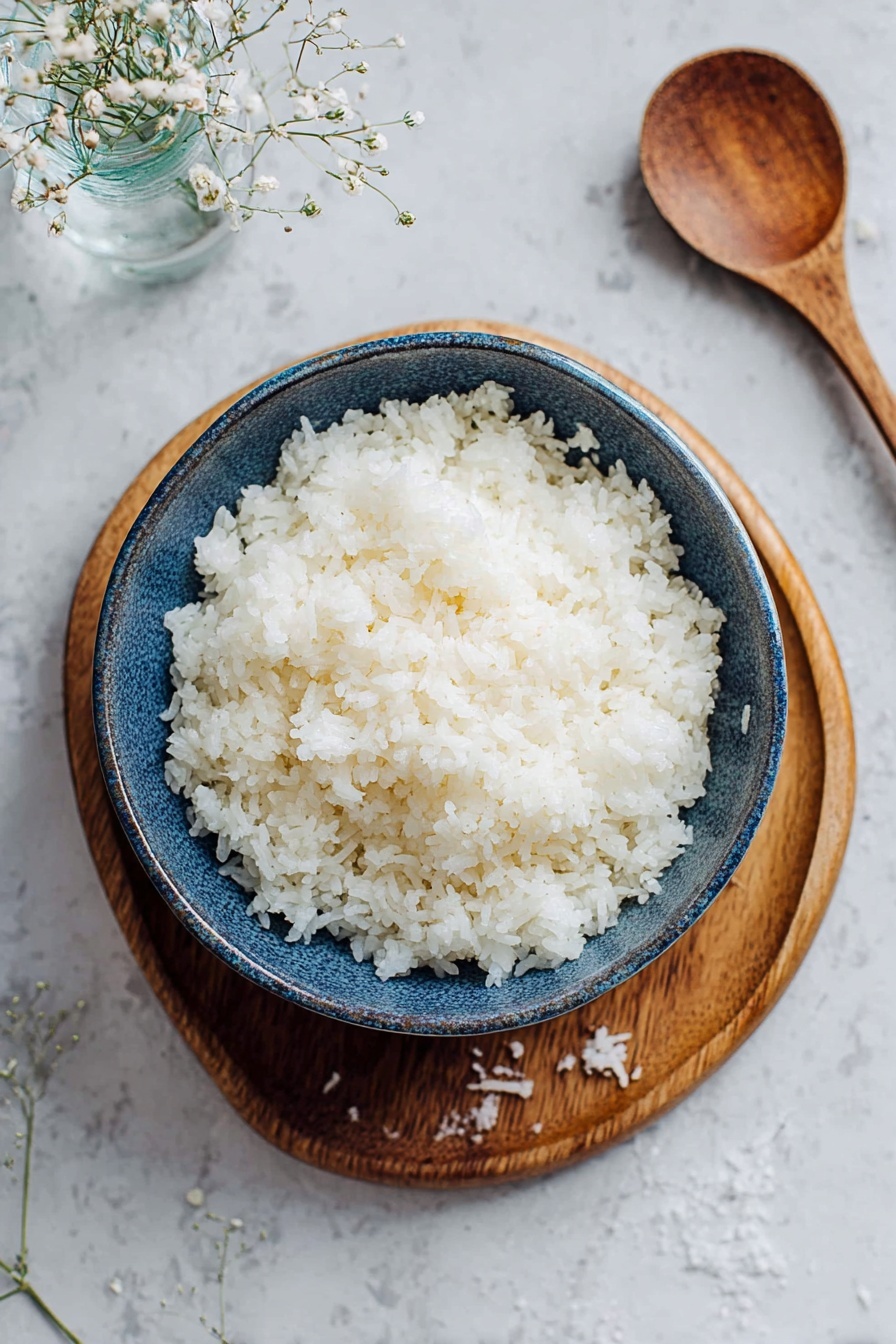
If you’ve ever tried making sushi at home, you know the secret to sushi success starts with the rice. I’m excited to share my Perfect Sushi Rice Recipe that turns out fluffy, slightly sticky, and seasoned just right every time. Whether you’re rolling traditional sushi or making a poke bowl, this rice will elevate your creation and impress your friends and family. Trust me, mastering this recipe will change your sushi game forever.
Why You’ll Love This Recipe
- Reliable Texture: You’ll get perfectly sticky yet fluffy rice every time, ideal for rolling sushi.
- Simple Ingredients: Using pantry staples and easy-to-follow steps means you don’t need exotic items.
- Versatile Method: Whether you have a rice cooker or a pot, you can nail this recipe with my tips.
- Sushi Chef Approved: I’ve honed this recipe through my own kitchen experiments to help you succeed.

Ingredients You’ll Need
Each ingredient plays a key role in making sushi rice that’s not just sticky but has that signature tanginess and gentle sweetness. I always recommend using sushi-specific short-grain rice for the best results.
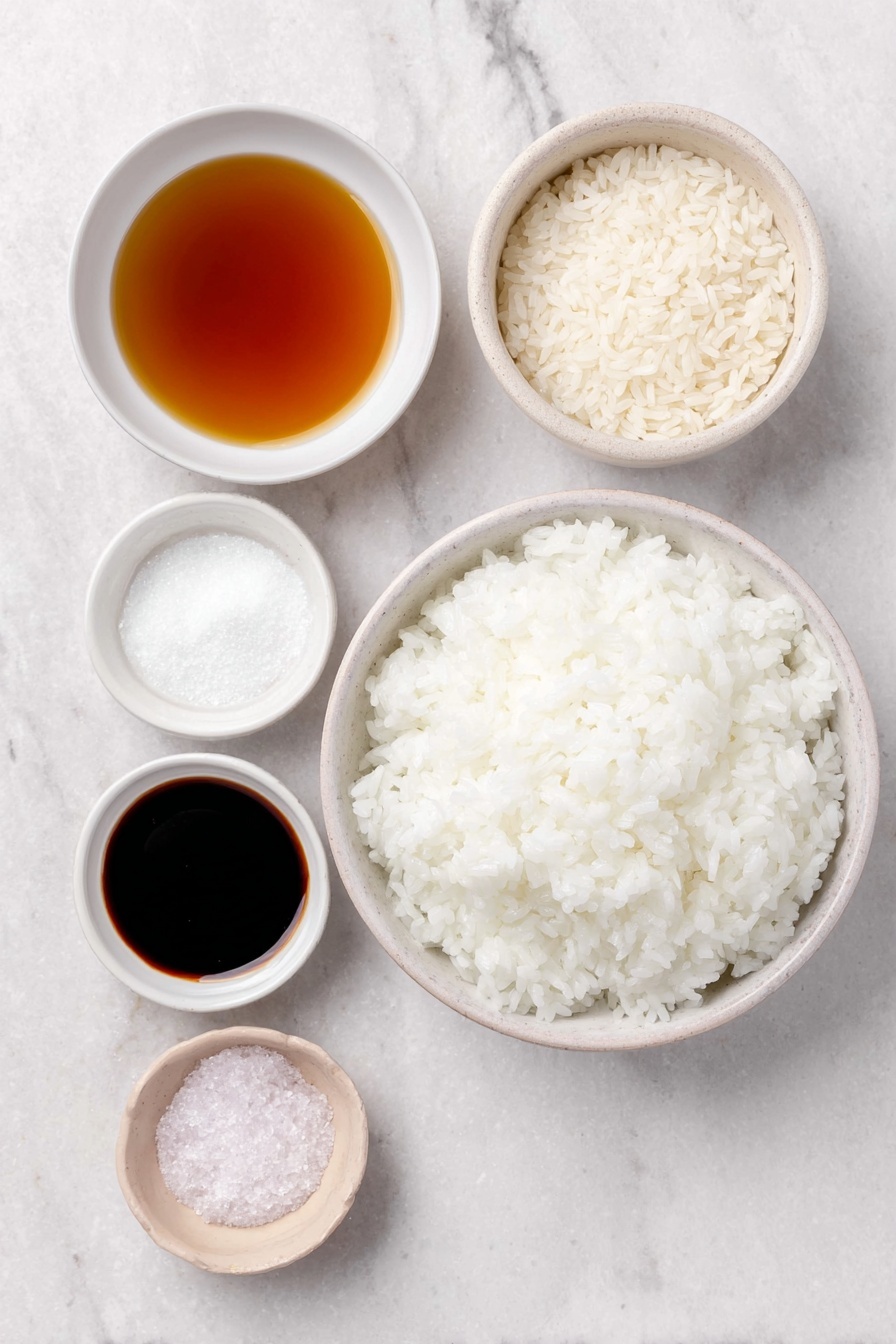
- Sushi Rice: Short-grain rice is essential here because it’s naturally sticky and absorbs flavors well.
- Water: The right amount makes all the difference; too much or too little and the texture can suffer.
- Rice Vinegar: This adds that unmistakable sushi tang – make sure you get seasoned or unseasoned rice vinegar without additives.
- Sugar: Balances the acidity perfectly to keep the rice flavorful but not sharp.
- Salt: Enhances all the flavors and rounds out the seasoning.
Variations
I love how easy it is to tweak this recipe depending on what you’re making. You can customize the vinegar seasoning or even try cooking the rice with a bit of kombu for an umami kick. Feel free to make it your own!
- Low Sugar Version: I sometimes reduce the sugar if I want a less sweet rice, especially when pairing with strong-flavored fillings.
- Kombu Infused Rice: Adding a small piece of kombu (seaweed) to the water while cooking brings a subtle ocean flavor that I adore in traditional sushi.
- Rice Cooker vs Stovetop: I recommend rice cookers for beginners for foolproof results, but stovetop is just as effective once you get the timing down.
- Vegan Friendly: This recipe is naturally vegan, making it perfect for plant-based sushi creations.
How to Make Perfect Sushi Rice Recipe
Step 1: Rinse the Rice Thoroughly
Start by placing your sushi rice in a large bowl and rinsing it under cold running water. Use your hand to gently stir the rice in a circular motion – this helps wash away excess starch. Keep rinsing until the water runs clear, which usually takes about 3-4 rinses. This step prevents gummy rice and gives you that lovely texture.
Step 2: Let the Rice Soak
After draining the rice well, soak it in the appropriate amount of water — 1 ½ cups + 1 tablespoon for rice cooker or 1 ⅜ cups for stovetop — and let it sit for 30 minutes. This soaking allows the grains to absorb water evenly, making the rice fluff up beautifully once cooked.
Step 3: Cook the Rice
If you’re using a rice cooker, set it to the sushi rice setting if available, or just the standard white rice program. After it finishes, leave the rice inside with the lid closed for 10-15 minutes to steam further. If cooking on the stovetop, bring the pot to a boil with the lid on, then reduce to the lowest heat and cook for 8 minutes without opening the lid. Remove from heat and let it sit another 10-15 minutes covered.
Step 4: Prepare the Sushi Vinegar
While the rice cooks, combine rice vinegar, sugar, and salt in a small saucepan. Warm it gently on the stove until the sugar and salt dissolve completely. This warm seasoning helps infuse the rice with that delicious balance of tangy and sweet.
Step 5: Mix the Seasoned Vinegar with the Rice
Transfer the cooked rice to a large non-metallic bowl, pour the hot vinegar mixture evenly over it, and gently fold the rice using a wooden spatula or rice paddle. Use a cutting-and-folding motion — you want to mix thoroughly without smashing the grains. Cover with a damp cloth to keep the rice moist and let it cool down to room temperature before using.
Pro Tips for Making Perfect Sushi Rice Recipe
- Don’t Skip the Rinsing: I learned this the hard way—rinsing removes excess starch and prevents your sushi rice from becoming gluey.
- Soak Thoroughly: Soaking gives you more tender rice and cooks more evenly—don’t rush it!
- Gentle Folding: Mixing the vinegar in gently keeps grains intact and maintains fluffiness.
- Rest After Cooking: Always let the rice sit covered after cooking; it completes the steaming and texture perfection.
How to Serve Perfect Sushi Rice Recipe
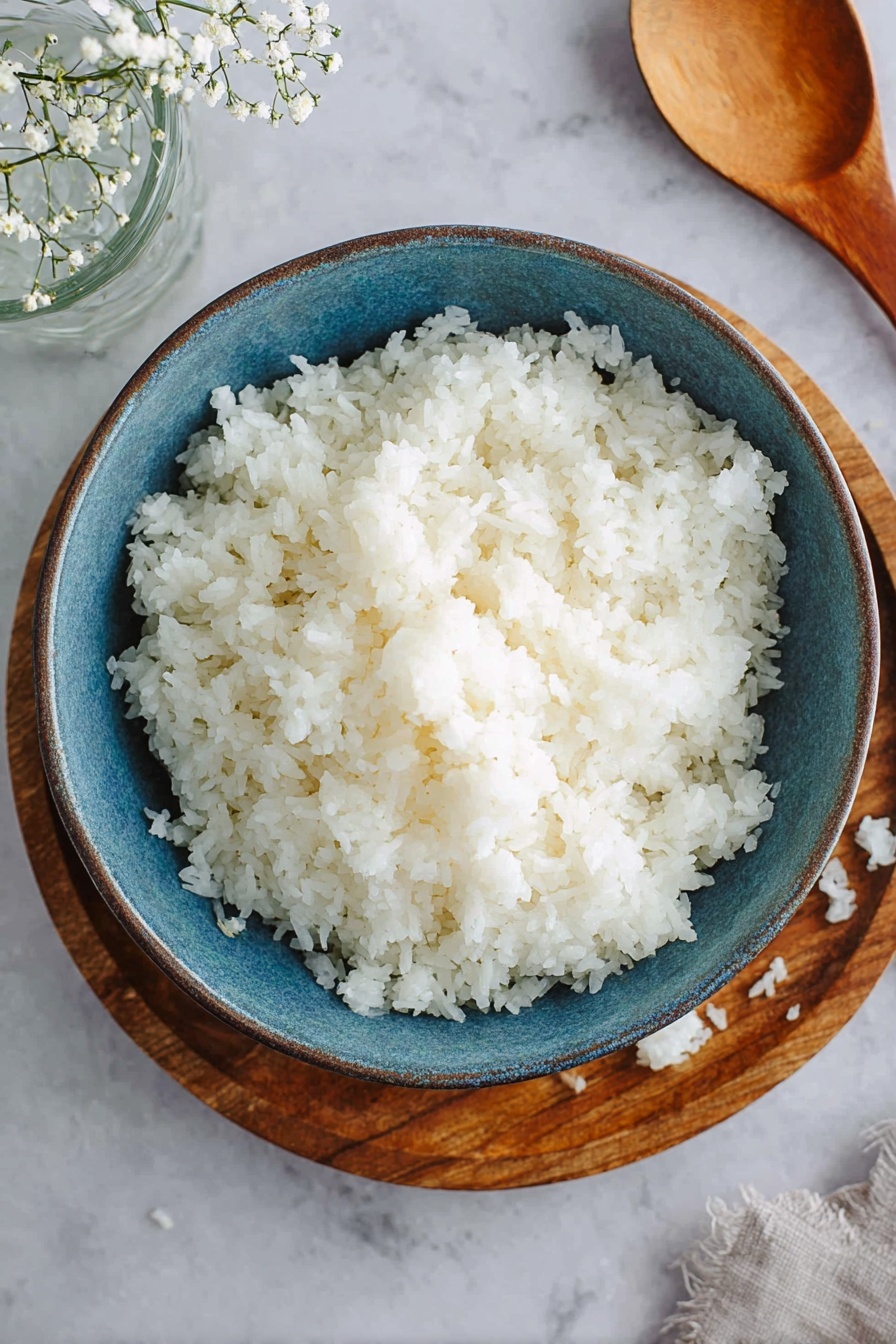
Garnishes
When I serve sushi rice, I love topping it lightly with toasted sesame seeds and a few thin slices of fresh green onion to add a bit of crunch and fresh flavor. You can also sprinkle a pinch of furikake seasoning for that extra umami kick.
Side Dishes
Perfect sushi rice pairs beautifully with classic sides like pickled ginger, wasabi, and soy sauce. For a home meal, I often serve it alongside miso soup and a seaweed salad to round out the flavors.
Creative Ways to Present
For special occasions, I like to layer the sushi rice in glass bowls to make colorful chirashi sushi or use bamboo molds to shape rice blocks for a fun presentation. You can also top the rice with thin slices of fresh fish and edible flowers for an elegant touch.
Make Ahead and Storage
Storing Leftovers
I always recommend using freshly made sushi rice for your rolls, but if you have leftovers, store them in an airtight container in the fridge. Keep in mind, refrigerated sushi rice tends to harden and isn’t ideal for rolling sushi, but it’s perfect for making poke bowls or fried rice the next day.
Freezing
Freezing sushi rice isn’t my go-to since it alters the texture quite a bit. But if needed, freeze in small portions and thaw slowly in the fridge. I usually avoid freezing it to preserve that perfect stickiness.
Reheating
To reheat leftover sushi rice, sprinkle a few drops of water, cover it with a damp paper towel, and microwave it for short bursts to regain moisture. I find this method keeps it soft enough to enjoy as a side or in rice bowls.
FAQs
-
Can I use regular long-grain rice instead of sushi rice?
Regular long-grain rice won’t give you the sticky texture needed for sushi. Short-grain sushi rice has the perfect starch content to bind and hold your rolls together, so it’s worth buying the right kind for this recipe.
-
How important is the rice vinegar seasoning?
The vinegar seasoning is crucial—it gives sushi rice its signature tangy-sweet flavor that balances the fish and other fillings. Skipping or under-seasoning can leave the rice bland and lifeless.
-
What’s the best way to store leftover sushi rice?
Store leftover rice in an airtight container in the fridge for up to three days. Remember, it’s not great for rolling sushi once refrigerated but works wonderfully in dishes like poke bowls or fried rice.
-
Can I make this recipe without a rice cooker?
Absolutely! The stovetop method works just as well — just follow the water-to-rice ratios, soak the rice, and keep the lid closed during cooking to trap steam and cook evenly.
-
Why do I need to soak the rice before cooking?
Soaking helps the rice grains absorb water evenly so they cook uniformly, giving you tender grains without mushiness or hard spots.
Final Thoughts
Cooking the perfect sushi rice has been a game-changer in my kitchen, and once you try this method, you’ll see why I’m so passionate about it. It’s easier than you think, and the results truly bring your homemade sushi or bowls up to professional levels. Give this Perfect Sushi Rice Recipe a go — I promise you’ll keep coming back to it for every sushi night!
Print
Perfect Sushi Rice Recipe
- Prep Time: 40 minutes
- Cook Time: 10 minutes
- Total Time: 1 hour 50 minutes
- Yield: 4 servings (4-8 sushi rolls)
- Category: Side Dish
- Method: Stovetop
- Cuisine: Japanese
- Diet: Gluten Free
Description
Learn how to make perfect sushi rice every time using either a rice cooker or stovetop method. This recipe guides you through rinsing, soaking, cooking, and seasoning sushi rice with a delicious sushi vinegar mixture to achieve the ideal texture and flavor for your sushi rolls or poke bowls.
Ingredients
Sushi Rice
- 1 1/2 cups sushi rice
- 1 1/2 cups + 1 tbsp water (if using the rice cooker method)
- 1 3/8 cups (330ml) water (if using the stovetop method)
Sushi Vinegar
- 1/4 cup rice vinegar
- 2 tablespoons sugar
- 1 teaspoon salt
Instructions
- Rinse Rice: Place the sushi rice in a large bowl and wash under running cold water until the water runs clear, moving the rice in a circular motion with your hand to speed up the process.
- Drain Rice: Carefully discard the water using a sieve to ensure all excess water is removed.
- Cook Sushi Rice in a Rice Cooker: Place the washed rice and 1 ½ cups plus 1 tablespoon (375ml) of water in the rice cooker bowl. Let the rice soak for 30 minutes. Start cooking, using the “sushi rice” setting if available. Once cooking is complete, turn off the cooker and let the rice sit, covered, for 10-15 minutes without opening the lid.
- Cook Sushi Rice in a Pot: Place the washed rice and 1 ⅜ cups (330ml) of water in a pot. Let it soak for 30 minutes. Cover with a lid and bring to a boil. Once boiling, reduce heat to minimum and cook for 8 minutes without removing the lid. Remove from heat and let the rice sit covered for another 10-15 minutes.
- Make Sushi Vinegar: In a small saucepan, combine rice vinegar, sugar, and salt. Bring to a boil, then turn off the heat and stir until the sugar is dissolved completely.
- Season Rice: Transfer the cooked rice to a large bowl and pour the hot vinegar mixture over it. Gently toss and fold the rice until well combined, ensuring every grain is seasoned.
- Cool: Cover the bowl with a damp tea towel to keep the rice moist and prevent drying out. Let it cool to room temperature on the counter before using.
- Serve: Use the prepared sushi rice immediately to make your favorite sushi rolls or poke bowls for the best flavor and texture.
Notes
- Using a rice cooker is recommended for beginners as it simplifies the process.
- The rice-to-water ratio is 1:1.1 when cooking on the stovetop and approximately 1:1.25 when using a rice cooker, though ratios may vary depending on your rice cooker. Consult your rice cooker manual for best results.
- 1 ½ cups (300g) uncooked rice yields about 4-5 thick California rolls or 7-8 medium Maki rolls, enough for 2-4 people depending on appetite.
- Always use freshly cooked sushi rice for sushi. Refrigerated leftovers harden and are not ideal for sushi but can be stored airtight for up to three days and repurposed in poke bowls or fried rice.
Nutrition
- Serving Size: ½ cup cooked sushi rice
- Calories: 160
- Sugar: 3 g
- Sodium: 220 mg
- Fat: 0.4 g
- Saturated Fat: 0 g
- Unsaturated Fat: 0.3 g
- Trans Fat: 0 g
- Carbohydrates: 36 g
- Fiber: 0.5 g
- Protein: 3 g
- Cholesterol: 0 mg