

If you’ve never tried making classic German Springerle cookies at home, get ready to fall in love! This Springerle Cookie Recipe is my go-to when I want a sugary, anise-flavored treat that’s not only beautiful but has a delightfully chewy texture. I absolutely love how these cookies come out with perfectly detailed designs that stand tall thanks to a quirky “foot” they develop during baking. Stick around because I’m going to share all my secrets to help your Springerle turn out just right – I promise, you’ll be proud to show off your baking skills!
Why You’ll Love This Recipe
- Timeless Tradition: Experience an authentic German cookie recipe passed down through generations.
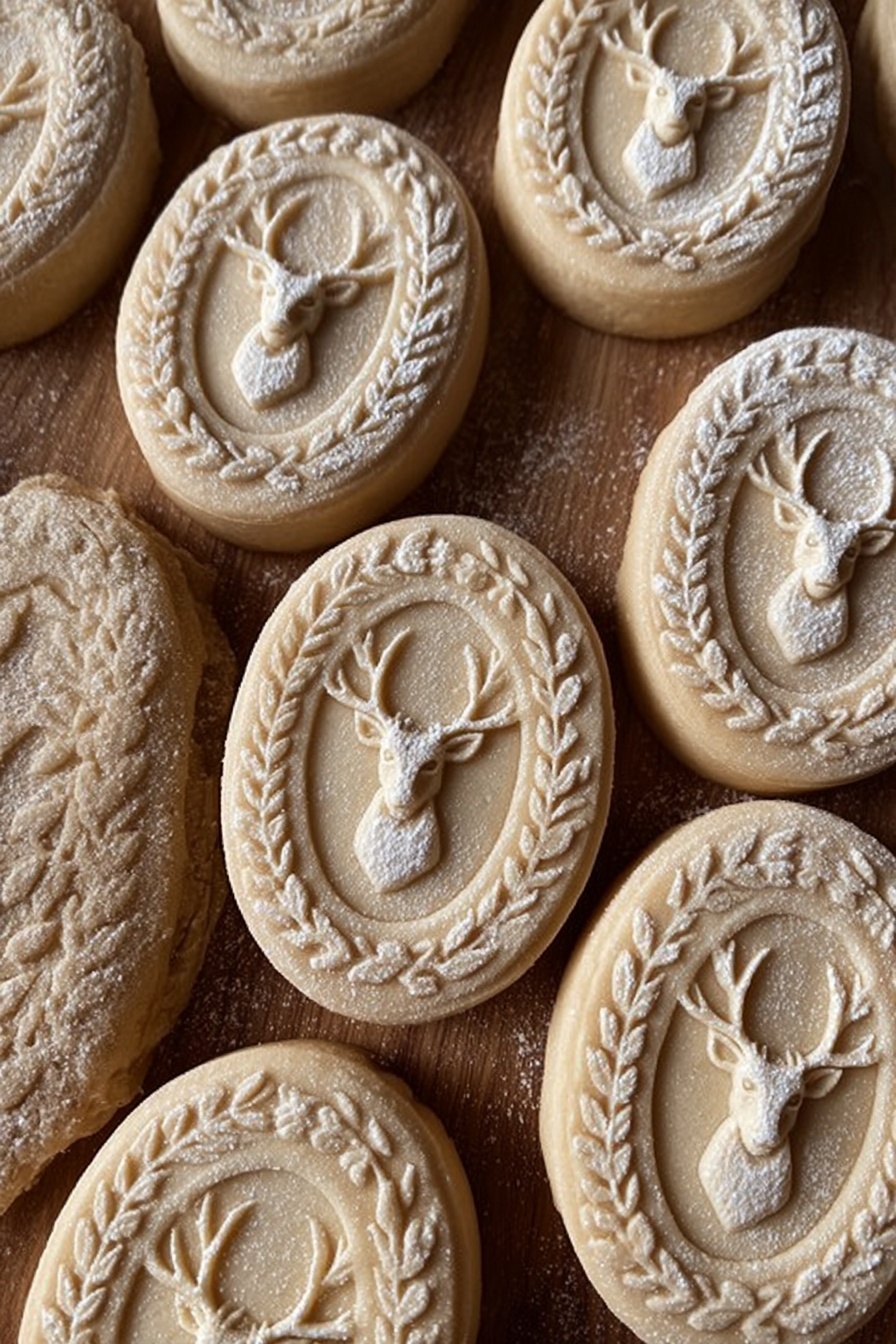
- Beautiful Designs: Achieve those classic embossed patterns with ease using a simple mold and cornstarch.
- Delightful Texture: Enjoy a chewy, slightly spiced cookie with a signature “foot” that rises during baking.
- Flexible Flavor: Customize your springerle with vanilla, almond, anise, or even subtle pumpkin spice for a personal twist.

Ingredients You’ll Need
The magic of a great Springerle Cookie Recipe lies in its simple yet perfect ingredients. Using cake flour keeps the cookie tender but firm enough for those embossed details to pop beautifully. And trust me, letting the dough rest is key – it helps the flavors settle and makes the dough easier to handle.
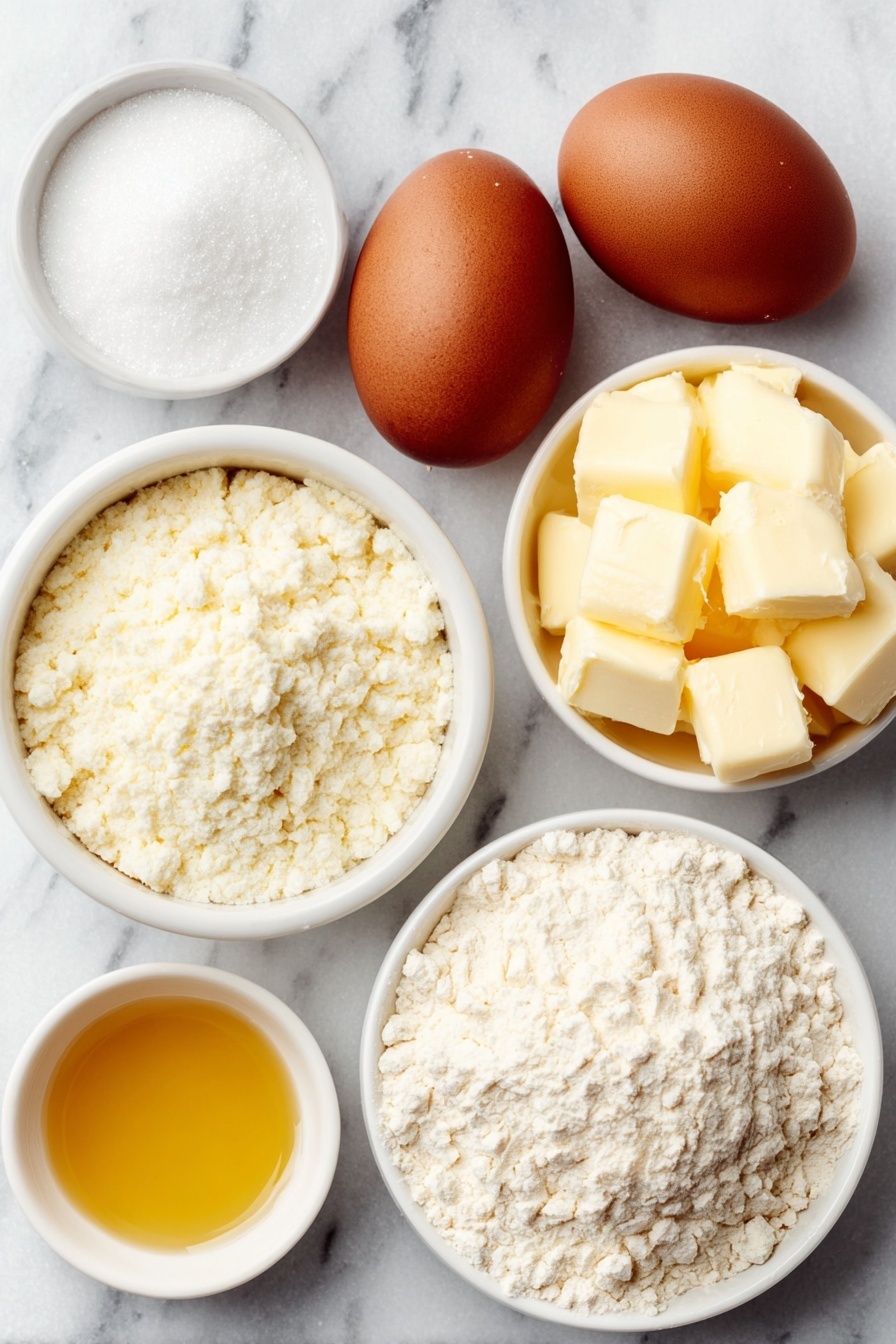
- Eggs: Use large eggs at room temperature to whip up a fluffy batter that traps air for lightness.
- Powdered Sugar: Finer than granulated sugar, it dissolves smoothly, giving your cookies a melt-in-your-mouth texture.
- Baking Powder: A pinch helps the cookies rise just enough to create that quaint “foot” without spreading.
- Flavoring (Vanilla, Almond, Anise, or Pumpkin Spice): This is your chance to get creative—add a little extract or spice to make the cookie uniquely yours!
- Cake Flour (T45 or equivalent): The finest flour you can find provides the best structure; if you only have all-purpose, adjust the quantity carefully for texture.
- Cornstarch (for dusting): Vital for dusting your work surface and molds so the dough doesn’t stick – this trick makes the molds pop in every detail.
Variations
I love how versatile this Springerle Cookie Recipe is – once you’ve nailed the classic version, feel free to experiment with flavors and decorations. I actually often change it up based on the season or mood, and it never disappoints.
- Anise Flavor Variation: When I first tried adding ground anise seeds, my family went crazy for the authentic, slightly licorice-like taste that’s perfect during the holidays.
- Almond or Vanilla Extract: For a more subtle, everyday version, I like using almond or vanilla extracts—they add warmth without overpowering the cookie’s delicate texture.
- Pumpkin Spice Twist: Around fall, I stir in a teaspoon of pumpkin spice seasoning for a fun seasonal change that pairs perfectly with crisp autumn air.
- Gluten-Free Adaptation: If you want to try gluten-free, I recommend using a fine almond flour blend but note you might lose some of the embossed detail sharpness.
- Natural Food Coloring: Sometimes I gently brush a light-colored edible dust on the cookies after baking to make the embossed patterns stand out even more for special occasions.
How to Make Springerle Cookie Recipe
Step 1: Whip Egg and Sugar to Cloud-Like Perfection
Begin by whisking your room temperature eggs using an electric mixer fitted with a whisk attachment. You want to whip them until they’re bubbling and foamy, then slowly add powdered sugar while whipping on medium speed. Take your time here—about 10 to 15 minutes—until the mixture turns thick and looks like a light buttercream. During the last 5 minutes, gently fold in a pinch of baking powder and your choice of flavoring. This step builds the structure you’ll need for that signature springerle texture.
Step 2: Incorporate Flour Gently and Chill
Now, slowly add your sifted cake flour to the mixture. Whip on low-medium speed, just enough to combine without losing all that precious air. You might notice the dough getting a bit thick at this stage—that’s perfect. Once combined, wrap the dough tightly with plastic wrap, making sure the film touches the surface to avoid drying out, and pop it in the fridge. I’ve found chilling for several hours or overnight really helps the dough firm up, making it easier to roll and mold.
Step 3: Rolling and Impressing the Cookies
This is the fun part! Divide the dough into small portions so it’s easier to work with. Dust your rolling surface liberally with cornstarch to prevent sticking, then roll your dough pieces about 1/4 inch (6mm) thick — that thickness matches perfectly with typical springerle molds. Dust the top of the dough as well, press your mold firmly and evenly, then carefully cut around the shapes with a sharp knife. Transfer the cookies onto a surface dusted with cornstarch and let them rest at room temperature for 12 to 24 hours. Make sure to keep them away from drafts or humid spots—I learned the hard way that too much moisture will blur those gorgeous details.
Step 4: Baking to Perfection
Preheat your oven to 145°C (290°F). Before baking, place each cookie on a damp paper towel for about 30 seconds to lightly moisten the bottoms—this trick helps the cookie develop its iconic raised foot during baking. Transfer them to a parchment-lined tray, optionally sprinkled with your favorite seasoning if you want to get creative. Bake larger cookies for 18-20 minutes and smaller ones for about 15-17 minutes until they don’t wobble when you gently jiggle them. If you’re baking two trays at once, flip and rotate them halfway through to ensure even baking. Watching those delicate springerle feet rise in the oven is so rewarding!
Pro Tips for Making Springerle Cookie Recipe
- Patience is Key: Don’t rush the resting time; those 12-24 hours make all the difference in flattening moisture and crisping edges.
- Cornstarch is Your Best Friend: Use plenty of cornstarch on surfaces and molds—it keeps every detail sharp and prevents dough from sticking.
- Handle Dough Gently: Overworking can cause the dough to lose air and the cookies won’t rise properly, so mix just enough to combine.
- Even Baking Matters: Rotate trays halfway through baking to avoid uneven coloring or texture differences among cookies.
How to Serve Springerle Cookie Recipe
Garnishes
I like to keep things simple and let the beautiful patterns shine. A light dusting of powdered sugar on top adds just a bit of snowy charm without hiding the embossed design. Sometimes, I brush a tiny bit of melted white chocolate inside the recesses of the design for a subtle glimmer that wows the eye. If you’re feeling festive, a sprinkle of edible glitter or a thin glaze flavored with lemon zest can be gorgeous and not overpower the classic taste.
Side Dishes
Springerle cookies pair wonderfully with a warm cup of spiced tea or black coffee – their slightly sweet and anise-flavored bite complements the bitterness perfectly. My family also enjoys them alongside mulled wine or a rich hot chocolate, especially during chilly evenings. You can even serve them alongside soft cheeses or fruit preserves for an indulgent dessert plate.
Creative Ways to Present
For holidays or special gatherings, I like stacking the cookies in towers or bundling small batches with twine and sprigs of fresh rosemary for a rustic gift look. Another fun idea I discovered is turning flattened springerle into edible ornaments on the Christmas tree—it’s a tradition in some German homes and makes for a beautiful, fragrant decoration. You can also serve them on vintage plates lined with linen napkins for a cozy, elegant vibe.
Make Ahead and Storage
Storing Leftovers
Store your springerle cookies in an airtight container at room temperature, ideally layered between sheets of parchment paper to protect the delicate designs. They keep wonderfully for up to two weeks. I usually place the container away from heat and humidity to prevent softening. If you want to use them as ornaments, store them in a dry box to preserve their shape and crack resistance.
Freezing
I have frozen Springerle dough before rolling; just wrap it tightly and freeze for up to a month. When you’re ready, thaw it overnight in the fridge, then roll out and mold as usual. Baked cookies freeze quite well too—just place them in a single layer on a baking sheet until firm, then transfer to an airtight container or zip-top bag. Defrost at room temperature when ready to serve.
Reheating
Springerle are best enjoyed at room temperature, but if you want to warm them slightly, pop them in a low oven (about 250°F/120°C) for 5 minutes. This revives a bit of softness and intensifies flavors without risking drying them out. Avoid microwaving, which can make the texture rubbery.
FAQs
-
Can I use all-purpose flour instead of cake flour in the Springerle Cookie Recipe?
Yes, you can use all-purpose flour, but you’ll need to use less—about 2 ¾ cups (340g) instead of 3 ½ cups of cake flour, as all-purpose tends to be heavier. Also, watch the dough texture; you might need to add a bit more if your dough feels too sticky, especially if you’re adding extra extracts or flavorings.
-
Why do I need to let the shaped cookies rest before baking?
Resting the shaped cookies for 12-24 hours at room temperature allows the surface to dry out just enough so the embossed details will hold during baking. It also improves the texture, helping the cookie rise to form the classic “foot” without spreading or losing shape.
-
How can I prevent Springerle dough from sticking to my molds?
Generously dust your molds and rolling surface with cornstarch before pressing the dough. This creates a thin barrier that prevents sticking and helps achieve those crisp, clear designs. Also, keep the dough cold and not too soft—chilled dough presses better and releases more easily.
-
Can I make Springerle cookies without an anise flavor?
Absolutely! The traditional anise flavor is lovely, but you can substitute it with vanilla, almond extract, or even pumpkin spice. I’ve found each variation brings its own charm, so feel free to suit your taste or occasion.
-
How do I know when Springerle cookies are done baking?
The cookie is done when it has developed a small foot underneath and the top doesn’t wobble when you gently jiggle it. They should be firm to the touch but not browned or hard. Timing varies with size but typically 15-20 minutes at 145°C (290°F).
Final Thoughts
Making Springerle cookies has become one of my favorite holiday rituals—it’s like crafting edible art that tastes as good as it looks. The process can seem a bit daunting, but with a little patience and attention to detail, you’ll soon be proud of those beautifully embossed cookies that last not just in flavor but in family memories. I hope you give this Springerle Cookie Recipe a try and enjoy these charming treats as much as I do. Trust me, once you master them, you’ll want to make them every year!
Print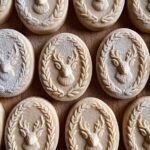
Springerle Cookie Recipe
- Prep Time: 30 minutes
- Cook Time: 18-20 minutes
- Total Time: 13-25 hours (including resting time)
- Yield: Approximately 24-30 cookies depending on size
- Category: Dessert
- Method: Baking
- Cuisine: German
- Diet: Vegetarian
Description
Springerle cookies are traditional German anise-flavored embossed Christmas cookies known for their intricate molded designs and delicate texture. This recipe uses eggs, powdered sugar, cake flour, and a choice of flavorings, resulting in beautifully detailed cookies that require resting before baking to hold their shape perfectly. They are baked at a low temperature to maintain their crispness and can be stored or used as ornaments.
Ingredients
Basic Ingredients
- 4 eggs, room temperature
- 500 g (4 cups) powdered sugar (icing/confectioners)
- 1/8 tsp baking powder
- 420-440 g (3 1/2 cups) cake flour (non-rising, T45)
Flavoring Options
- 2 tsp vanilla extract
- or 1 tsp almond extract
- or anise seed
- or 1 tsp pumpkin spice seasoning
- or Kirsch (cherry brandy)
- or other flavoring of choice
Additional
- Cornstarch for dusting surface and molds
- Seasoning of choice for sprinkling on parchment paper (optional)
Instructions
- Prepare the batter: Using an electric mixer with a whisk attachment, beat the eggs until foamy. Gradually add powdered sugar while mixing on medium speed for 10-15 minutes until the mixture thickens to a buttercream-like consistency. In the last 5 minutes of whipping, incorporate the baking powder and your chosen flavoring extract or seasoning.
- Add flour: Slowly add the cake flour to the egg mixture, mixing on low to medium speed until fully combined into a smooth dough. Wrap the dough tightly with plastic wrap, ensuring the wrap touches the dough surface, and chill it for several hours or overnight to firm up.
- Roll and mold: On a surface dusted with cornstarch, roll out small portions of dough to approximately 1/4 inch (6mm) thickness—matching the thickness of your springerle mold. Dust the top of the rolled dough with cornstarch and firmly press your carved mold into the dough to imprint designs. Cut around each design, then place the shaped cookies on a cornstarch-dusted surface. Let them rest at room temperature for 12 to 24 hours in a draft-free, dry area to dry out before baking.
- Preheat oven and prepare cookies for baking: Preheat your oven to 145°C (290°F). To ensure the cookies bake evenly and hold their shapes, place each cookie on a damp paper towel for about 30 seconds to moisten the bottom. Then transfer the cookies carefully onto parchment paper-lined baking trays, optionally sprinkled with a seasoning of your choice.
- Bake: Bake the cookies for 18-20 minutes if they are large (4-5 inches), or 15-17 minutes for medium to small sizes. The cookies will rise slightly, developing a characteristic ‘foot’ underneath. Check by gently wiggling the top; they should be firm and not move. If baking two trays at once, flip and rotate the trays halfway through baking for even heat distribution.
- Storage or decoration: Once cooled, store your springerle in an airtight container at room temperature. These cookies can also be dried thoroughly and used as charming holiday ornaments.
Notes
- Use a fine, soft flour such as cake or pastry flour (T45 in France) for best results. If using all-purpose flour, reduce the quantity to approximately 2 ¾ cups (340 g) because it absorbs more liquid.
- When adding strong flavorings (like extracts or alcohol), you may need to add slightly more flour (an additional 1/4 to 1/2 cup) to maintain the proper dough texture.
- Allowing the molded cookies to rest and dry before baking is essential to preserve the detailed impressions.
- Maintain a draft-free and dry environment during the resting phase to prevent dough from becoming sticky or misshapen.
- Pressing the cookie molds firmly and dusting both the dough and molds with cornstarch helps avoid sticking and ensures clean patterns.
Nutrition
- Serving Size: 1 cookie (approx. 30g)
- Calories: 110
- Sugar: 16g
- Sodium: 10mg
- Fat: 0.1g
- Saturated Fat: 0g
- Unsaturated Fat: 0.1g
- Trans Fat: 0g
- Carbohydrates: 27g
- Fiber: 0g
- Protein: 1.5g
- Cholesterol: 37mg